Scientists plan water sampling at 132 sites around the sunken SS United States
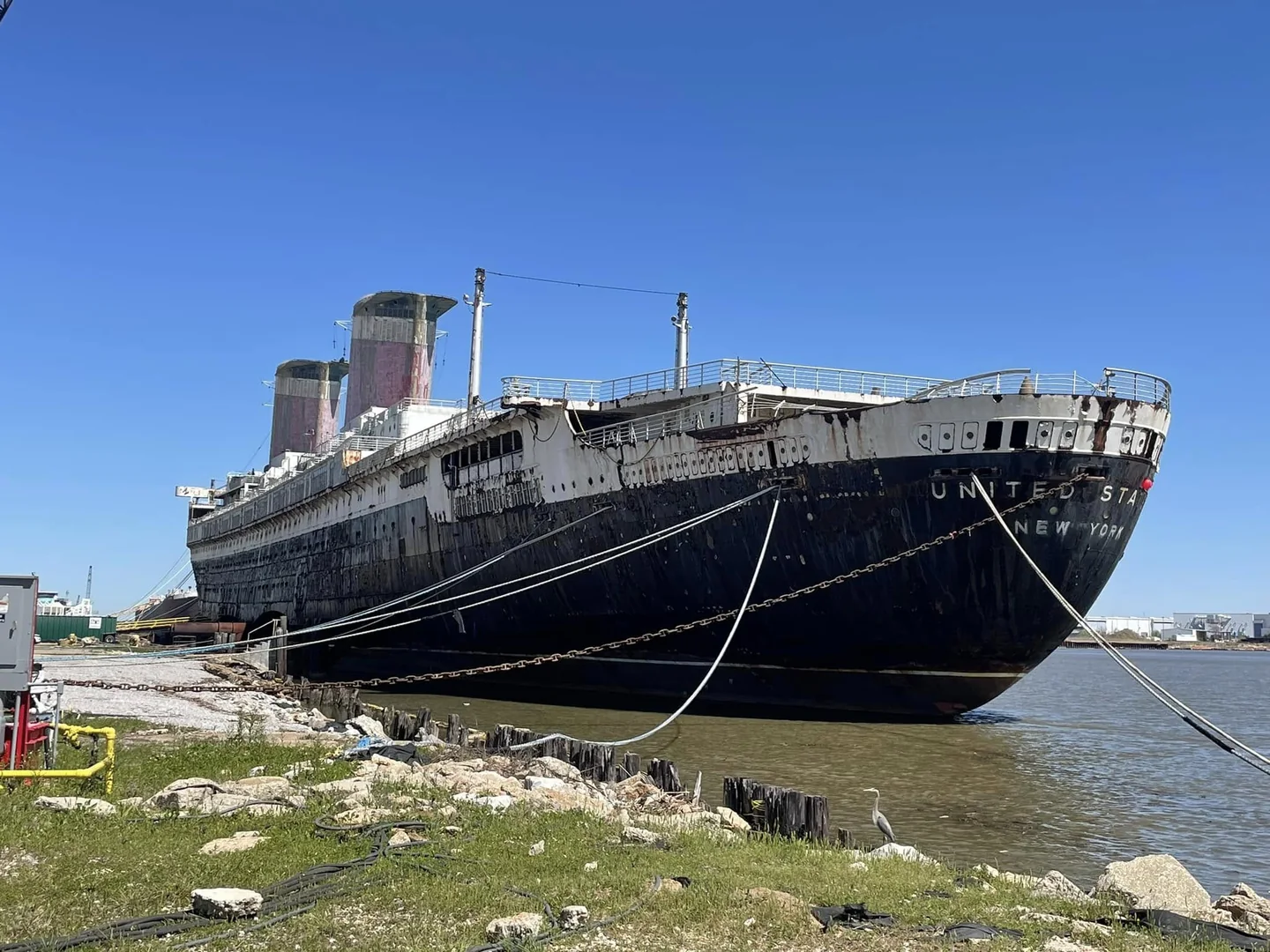
The ocean liner SS United States was intentionally sunk off Florida on November 11 to create an artificial reef. Researchers led by the Woods Hole Oceanographic Institution (WHOI) plan to study how marine life colonizes the ship and how the surrounding water chemistry changes.
A baseline in the first month
The 990-foot (about 302-metre) ship lies about 22 nautical miles southwest of Destin East Pass. Within the first month, WHOI’s team plans to document the ship’s condition, surrounding water chemistry and early communities of organisms. Those records will give researchers a baseline for later comparisons.
Water samples and annual visits
The researchers plan to sample water at 132 locations around the ship and measure metals including iron, manganese and nickel, which steel can release as it corrodes. The team plans to return each year to collect samples and take photographs. The November 11 announcement describes the monitoring plan. It gives no measurement results.