Why fallen leaves slow trains in autumn
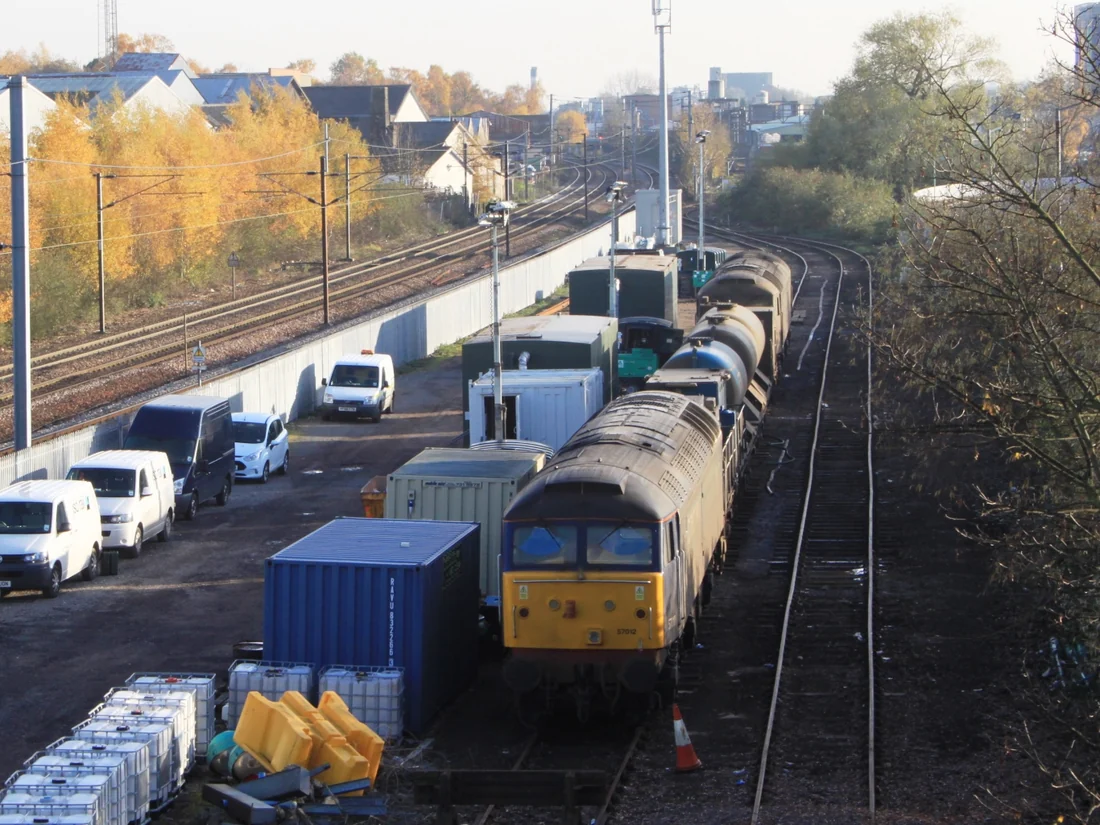
Network Rail announced on 11 November 2026 that specialist trains were expected to carry out 100,595 miles of rail treatment in East Anglia and parts of London over autumn and winter. At the time, 28,419 miles had been completed.
How leaves affect braking
Rain helps fallen leaves stick to rails. Passing wheels compress the leaves into a thin, slippery layer that reduces grip, making it harder for trains to accelerate and stop. Drivers may need to travel more slowly and begin braking earlier. Specialist rail head treatment trains use high-pressure water jets to remove the compressed residue.
What the Anglia plan measures
The figures measure how much track the trains treat over the season. The announcement gives no measured reduction in delays. The wider programme also includes drainage inspections and maintenance between Ely and King’s Lynn.

