NASA expects Voyager 1 to reach one light-day from Earth on Nov. 18
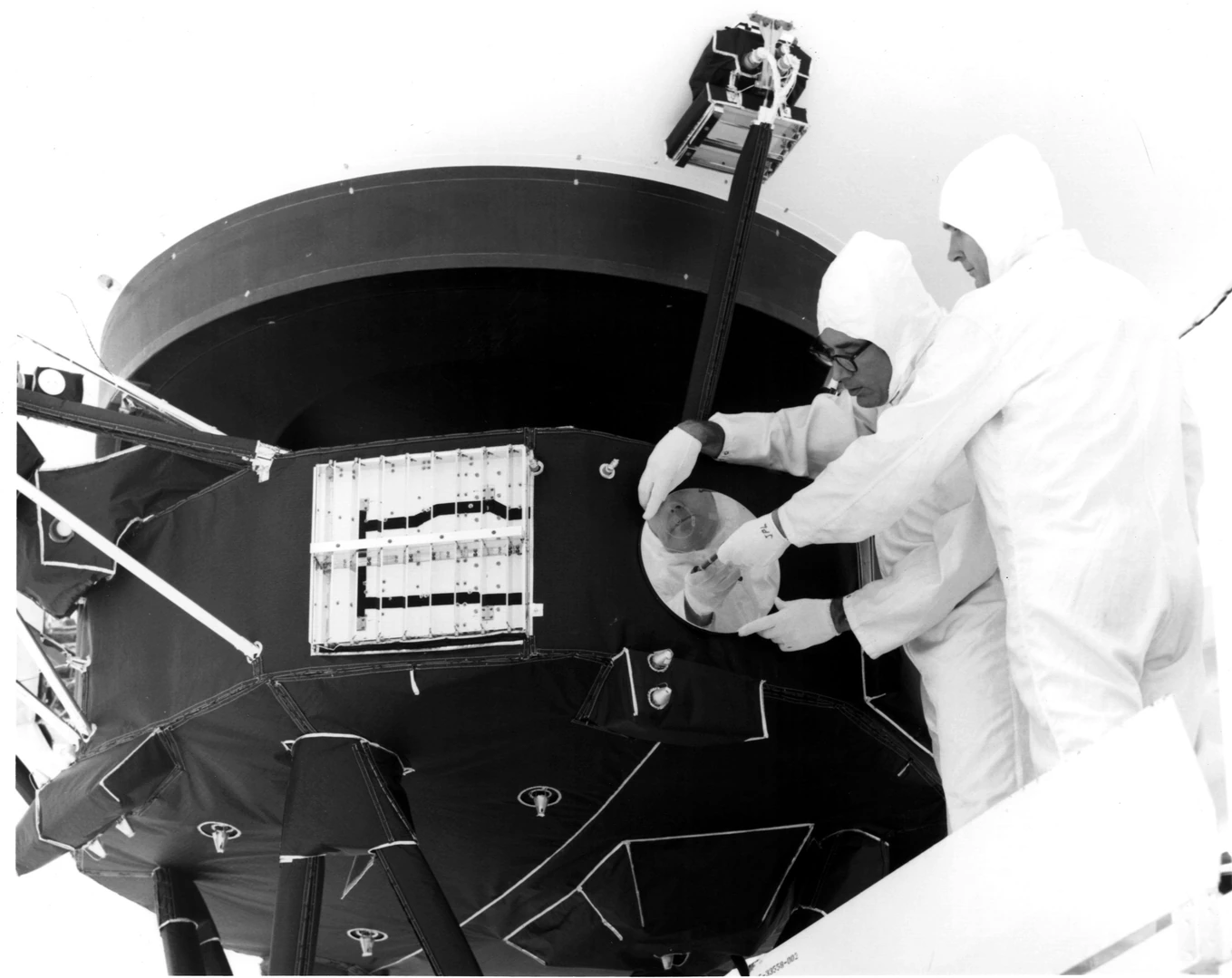
NASA expects Voyager 1 to become the first human-made object to reach one light-day from Earth on Nov. 18, 2026. The milestone puts the spacecraft about 25.9 billion kilometers away, a distance that takes light 24 hours to cross.
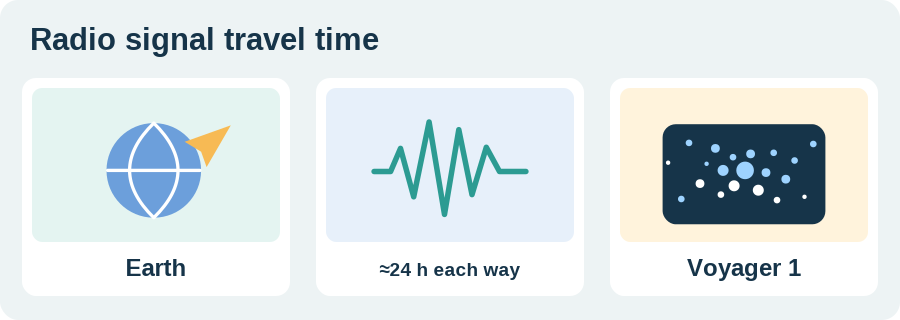
A two-day round trip for a signal
NASA’s mission tracker puts the crossing at 10:16:07 UTC. Near that distance, a radio command takes about 24 hours to reach the probe. An immediate reply would take about another 24 hours to arrive on Earth.
From the outer planets to interstellar space
Voyager 1 launched in 1977, flew past Jupiter and Saturn, and entered interstellar space in 2012. NASA’s Jet Propulsion Laboratory plans a discussion on Nov. 19 on what both Voyager probes are still learning and how the team keeps them operating.