England brings in bird housing rules to curb avian influenza
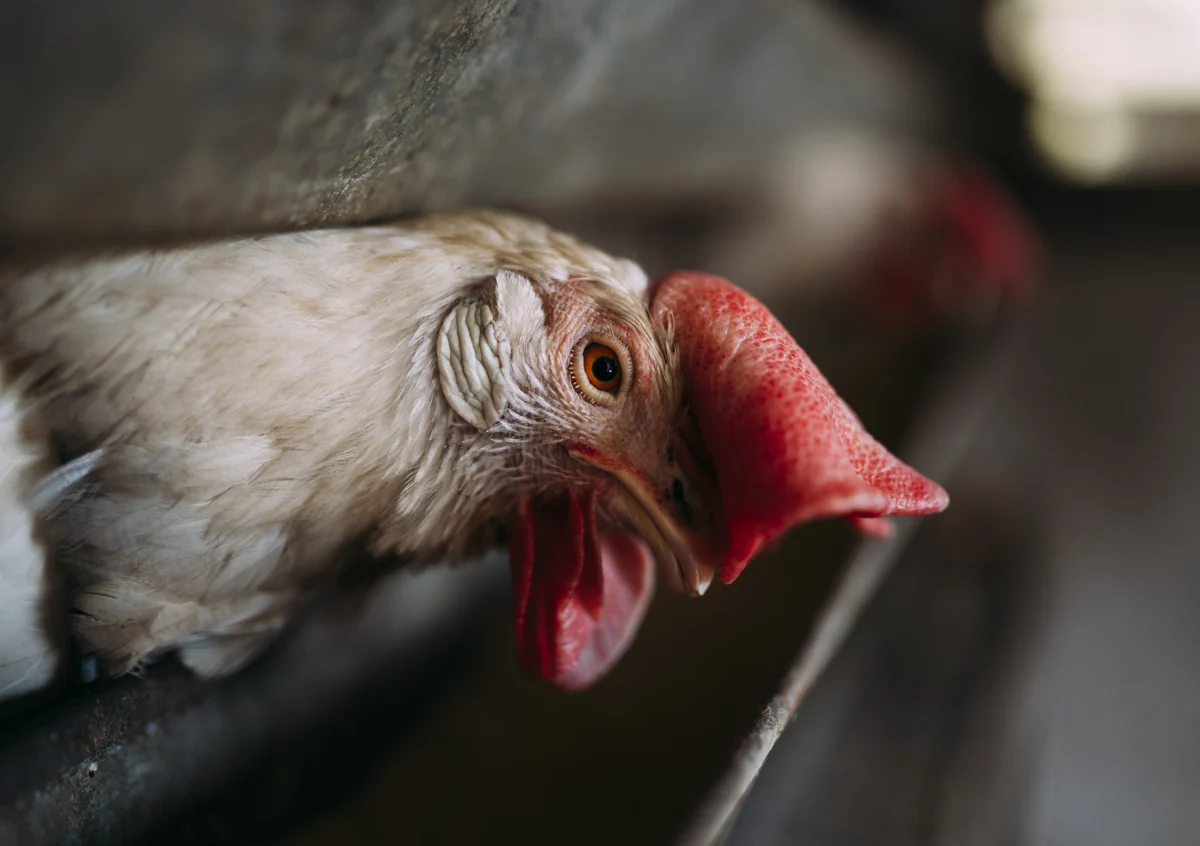
England’s bird housing rules took effect at 00:01 local time on 13 November 2026. The duty depends on flock size and whether the keeper supplies birds, eggs or poultry products to others.
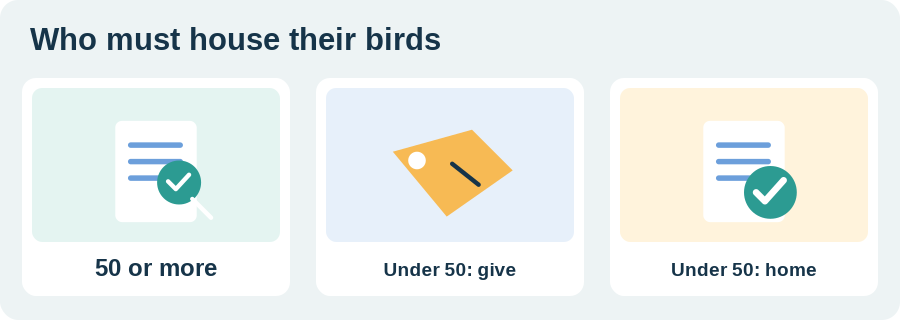
Who must house their birds
The Department for Environment, Food & Rural Affairs announced the measure on 11 November. Under the amended declaration, keepers of 50 or more poultry or other captive birds, counted together, must generally house them. Keepers with fewer than 50 must also house their poultry if they sell or give away live birds, eggs or other poultry products. Small flocks kept solely for the keeper’s own household are generally exempt from the housing requirement if they have no direct or indirect contact with other poultry or poultry facilities.
Biosecurity and exemptions
The housing rules apply across England. The prevention zone’s minimum biosecurity measures also apply to small flocks kept for personal use, with separate provisions for some birds. The declaration sets out separate rules for licensed zoos. In some cases, keepers of birds such as ducks and geese can seek a welfare exemption in consultation with a vet. See the photo in Defra’s announcement

