Agroecol 2026 examines agroforestry and climate resilience in Brazil's Mato Grosso do Sul
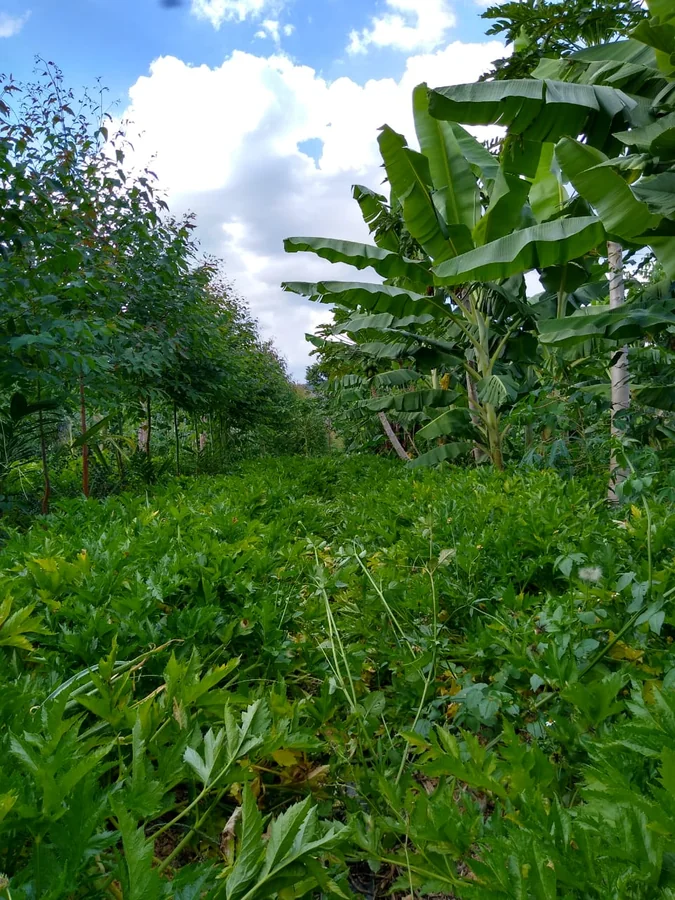
In a November 11 report, Embrapa described how researchers, agricultural extension workers and farmers discussed adopting agroforestry systems in Campo Grande, Brazil. The November 5 seminar was part of Agroecol 2026, held November 4–7 at the Federal University of Mato Grosso do Sul.

Growing trees and crops together
Agroforestry systems combine trees with crops and, in some arrangements, livestock. Milton Parron Padovan of Embrapa Agropecuária Oeste described more diverse production, improved soil conditions and biodiversity conservation as potential benefits. He said wider adoption would require technical assistance and research to identify suitable species and planting arrangements for each region.
Farmers' experiences shaped the discussion
The seminar featured four presentations and a roundtable. Alongside Embrapa's presentation, speakers addressed research, agricultural extension and teaching, the perspectives of organic growers in Mato Grosso do Sul, and agroforestry practices in the Pantanal. Farmers from Assentamento 72 in Ladário shared challenges they had encountered in establishing and developing these systems.
