Spain expands rail inspections and protections for staff reporting safety risks
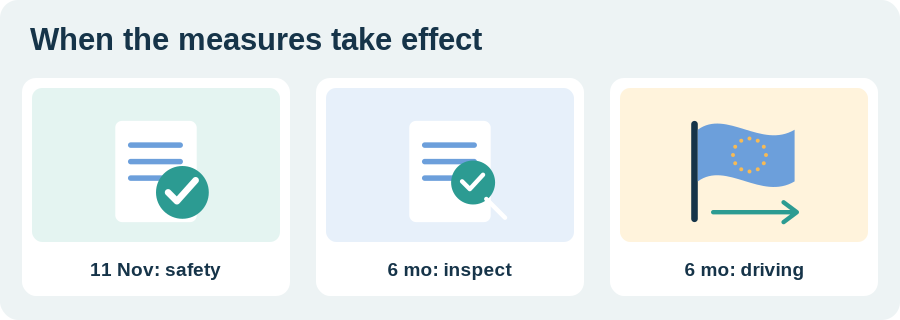
Royal Decree-Law 34/2026, published on 11 November, protects rail staff who report risks and extends existing early retirement provisions to eligible occupations. Expanded inspection access and new rules for counting driving time take effect six months after publication.
Inspections and risk reporting
The State Railway Safety Agency will be able to require access to facilities, trains and equipment needed for an inspection, even when they belong to a different railway entity. This expanded access takes effect six months after publication. Provisions effective from 11 November allow staff with operational safety duties to report risks through confidential channels. In the face of a serious and imminent risk, they may take proportionate steps, including stopping a train or withholding its departure, and must notify the relevant parties promptly. Protection against retaliation excludes intentional acts or omissions and gross negligence.
What counts as driving time
Article 1 counts manoeuvres while a vehicle is moving and interruptions when the driver remains responsible for the vehicle and attentive to traffic or manoeuvres. It also counts the entirety of a break shorter than 45 minutes between two driving periods by the same driver, even if the driver is relieved of responsibility during the break. Companies and infrastructure managers have six months from publication to adapt work schedules before this article takes effect.
Early retirement provisions
The decree extends existing coefficients that lower retirement age to employees of companies operating on interoperable lines or the General Interest Railway Network, provided they work in an occupational category already covered. A separate process is envisaged to consider other categories exposed to especially arduous, toxic, dangerous or unhealthy work.
