Odakyu and Asilla test behavior detection at level crossings using existing cameras
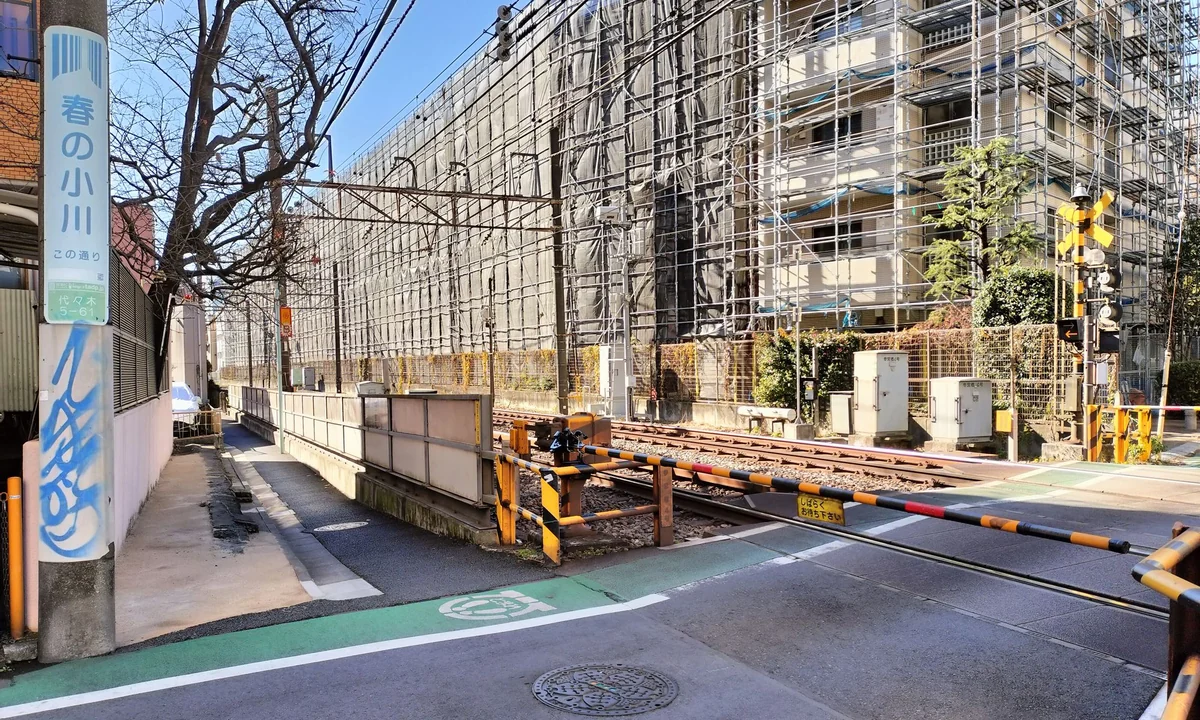
Odakyu Electric Railway and Asilla tested whether footage from existing cameras could detect people lingering near level crossings and other behavior. In the companies' evaluation, the accuracy of reidentifying the same person before and after a train passed rose from about 60% to about 90%.

Following a person after a train blocks the view
On November 12, Asilla announced that it and Odakyu had presented their proof-of-concept findings at the Railway Cybernetics Symposium on November 5. The tests, conducted in fiscal 2024 and 2025, targeted five behaviors: lingering for an extended time before a crossing, folding one's arms after lingering, sitting down, continuing to linger after a train passed, and wandering around the crossing. The companies say they detected prolonged lingering with high accuracy when the camera could track a person continuously. When an obstruction or another person interrupts tracking, the system uses visual features to reconnect the person's track. View official photos and test diagram
What the roughly 90% figure measures
The roughly 90% figure is the companies' evaluation of how accurately the system reidentified the same person across footage taken before and after a train passed. Camera placement, field of view and sunlight affected detection performance. The announcement does not give the evaluation sample size, false alarm rate or a measured reduction in accidents. Odakyu's figure of 228 level crossings refers to locations with its existing centralized monitoring system. The companies have not announced where or when this behavior detection system might be deployed.

