New Zealand to track 60 threatened bats with one-gram GPS tags
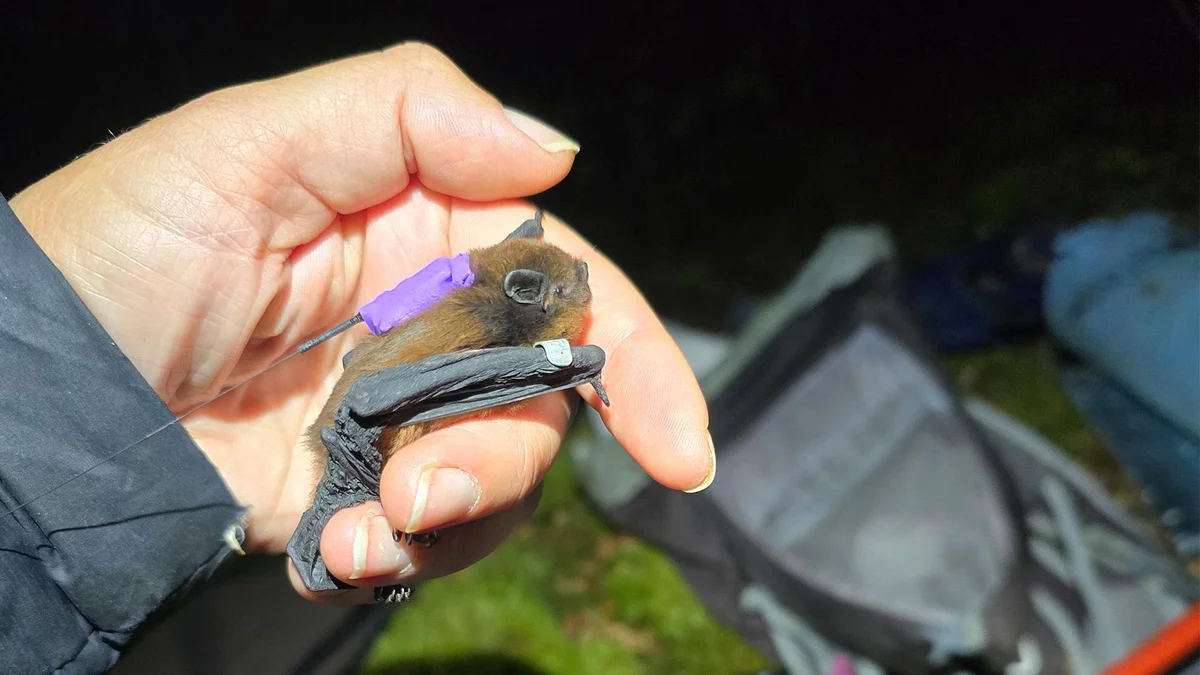
In Fiordland’s Eglinton Valley, 20 base stations will relay the bats’ positions every 30 seconds for about 12 days, depending on battery life.
From seven bats in the trial to 60 this summer
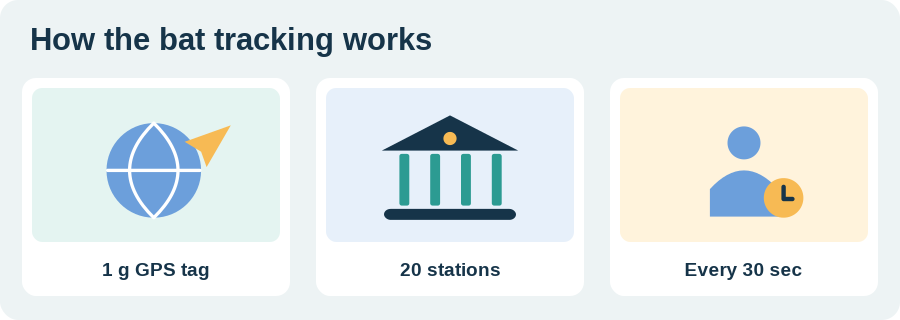
New Zealand’s Department of Conservation (DOC) announced on 12 November that it plans to track 60 threatened long-tailed bats (Chalinolobus tuberculatus) in the Eglinton Valley in Fiordland this southern summer. The bats weigh up to 12 grams each. They will carry one-gram GPS transmitters that communicate with 20 base stations set up across the valley. Researchers expect to receive each bat’s position every 30 seconds for about 12 days, depending on how long the rechargeable battery lasts.
Finding the places that matter for protection
DOC leads the three-year Bats Beyond Borders programme with support from Air New Zealand. It began in 2025 and tested the tracking system on seven bats last summer. Project lead Emma Williams said the earlier VHF radio tags required staff to follow the bats and locate them in the field. The GPS data are intended to show where the bats travel, feed and roost, helping DOC decide where to focus predator control and habitat protection. DOC’s announcement sets out the tracking plan. It gives no conservation results from this round of monitoring.