What to assess when students use generative AI: LoiLo shares teacher workshop examples

On November 12, LoiLo published reports on generative AI workshops for teachers held in Sendai, Nagoya and Tokyo in September. The examples show ways to observe students’ judgment, including why they chose a proposal and how they corrected an AI explanation using a textbook as evidence.
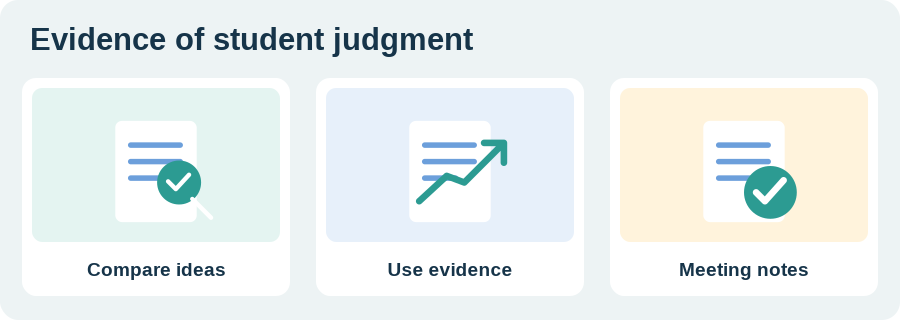
Record why proposals were chosen or rejected
The workshops, organized by the teacher community LEG and sponsored by LoiLo, took place in Sendai on September 5 and in Nagoya and Tokyo on September 6. In Nagoya, a suggested inquiry activity compared AI proposals for local issues by feasibility and potential benefit to the community. Students record why they accept or reject proposals and present how they improved their final choice. View official workshop photos.
Correct AI explanations using the textbook
In a fourth-grade Japanese language lesson reported in Sendai, children compared an AI explanation with their textbook, pointed out missing concrete examples and asked the AI to revise it. A case presented in Tokyo showed students using AI dialogue to organize their thoughts about future paths, then bringing notes they had checked and summarized themselves to a meeting with a teacher.
Observe the reasoning behind students’ decisions
For teachers designing lessons, reasons for comparing proposals, evidence used in revisions and notes students checked themselves offer prompts for asking what students thought. LoiLo’s reports summarize examples presented at the workshops; they do not include measured results comparing learning outcomes.
