Bones and plant remains shed light on medieval diets along the lower Syr Darya
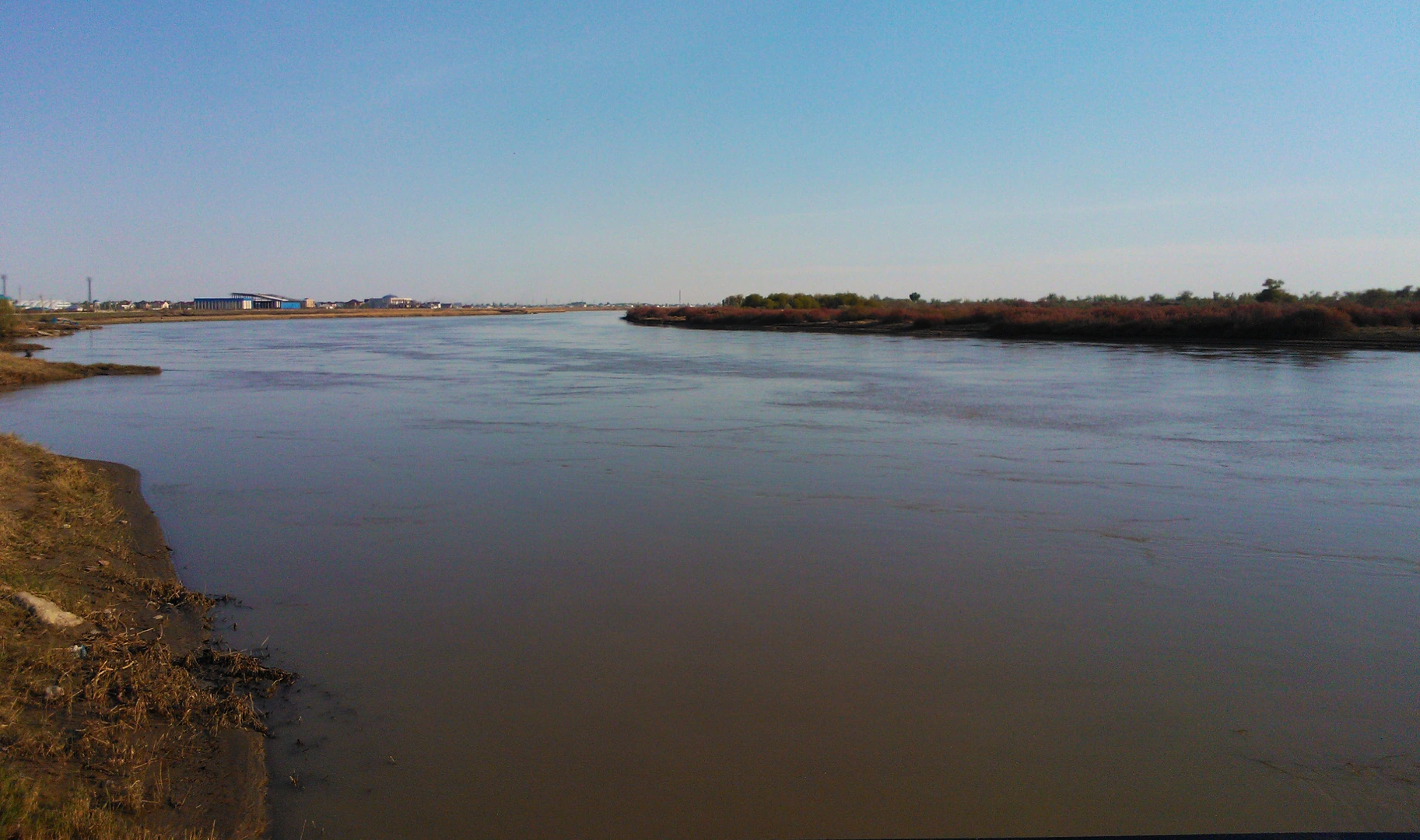
A preliminary study of diet and livelihoods along the lower Syr Darya in what is now Kazakhstan was published on November 13 in Frontiers in Environmental Archaeology. The researchers examined evidence from the fourth century BCE to the eighteenth century CE, focusing on the medieval period.

Bone isotopes compared with archaeological plant remains
The researchers analysed stable carbon and nitrogen isotopes in human and animal bones, and combined the results with plant remains and previous studies of the past environment. Results from human bones at Kyshkala were consistent with substantial animal protein intake. The researchers could not determine which foods supplied it.
Fish bones provide a baseline for diet studies
The team also presented isotope data from fish bones found in the Syr Darya basin as a baseline for future research on diet. The paper calls for reconsidering the hypothesis of a shift towards herding after the Mongol conquest. It argues that grain cultivation continued in some places during and after the Mongol period. Further research covering more sites or material is needed to test the preliminary interpretation.