Two wooden vessels excavated in Serbia show different levels of fungal decay
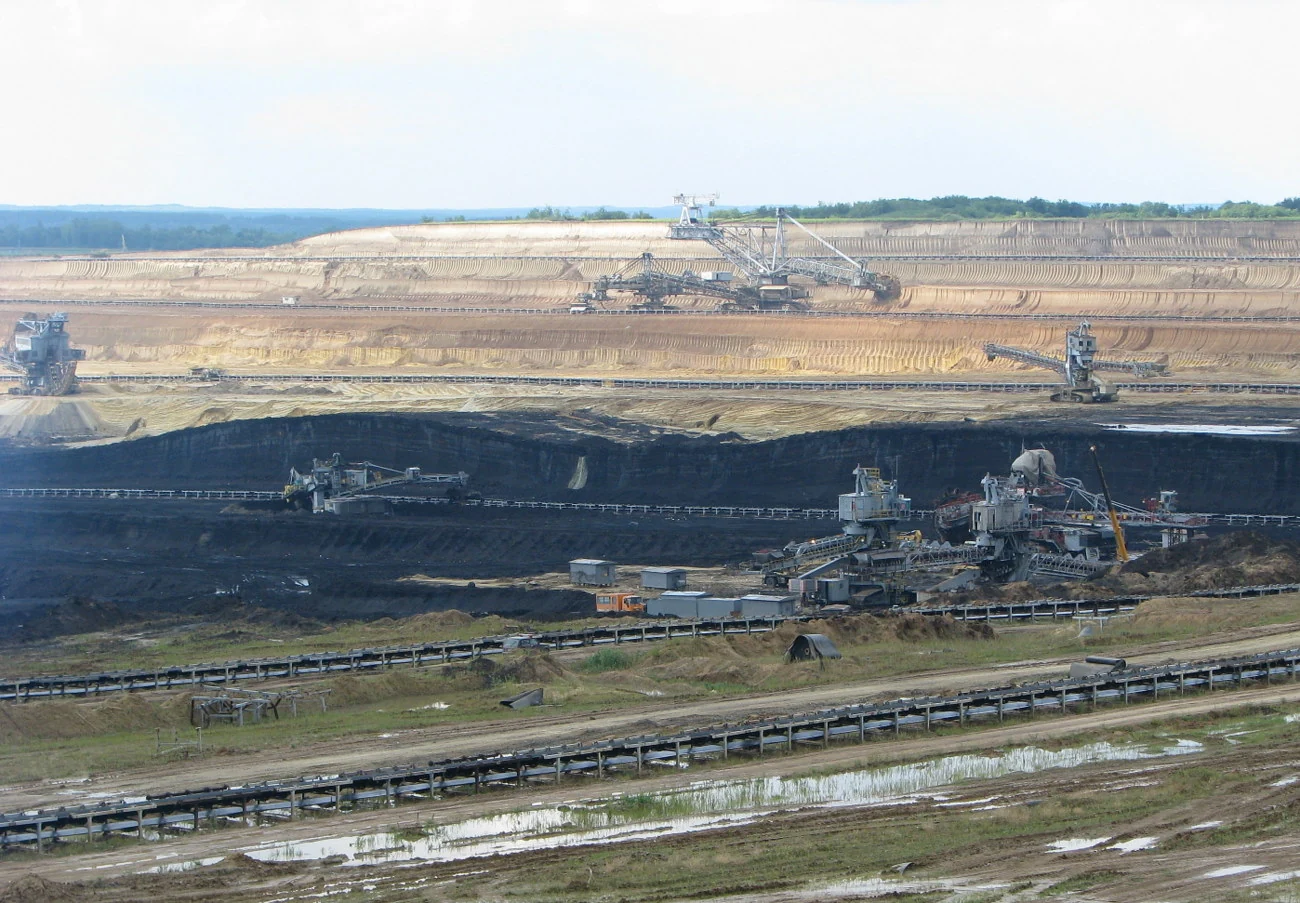
A study published in Frontiers in Fungal Biology on November 13 examined an ancient dugout canoe and a shipwreck from the 15th to 17th centuries, both found at Serbia’s Drmno open-pit coal mine. The two vessels were stored in the same partly underground environment. The canoe showed extensive decay, while the wreck showed no visible damage but had fungi detectable under a microscope.

A pine canoe and a wreck with chestnut and oak
The two vessels were discovered in March 2020 and temporarily stored after excavation in the Mammoth Park exhibition space at the Viminacium archaeological site. Researchers from the University of Belgrade and other institutions dated the dugout canoe to between the first century BCE and the first century CE. About six metres long when excavated, it was hollowed from a single pine trunk. About nine metres of the 15th- to 17th-century wreck survive. The two wood samples examined were sweet chestnut and a member of the white oak group.
Fungi in the wreck even without visible damage
The canoe’s decay was associated primarily with Coniophora puteana, a brown-rot fungus that breaks down wood and leaves it brown. The researchers observed no visible damage on the second vessel, but found fungi including Niesslia under a microscope. They said the wood type, storage conditions and fungi present all matter when choosing how to conserve excavated wooden objects.