Study explores wordplay and online reading in Thailand’s classic poem Lilit Phra Lo
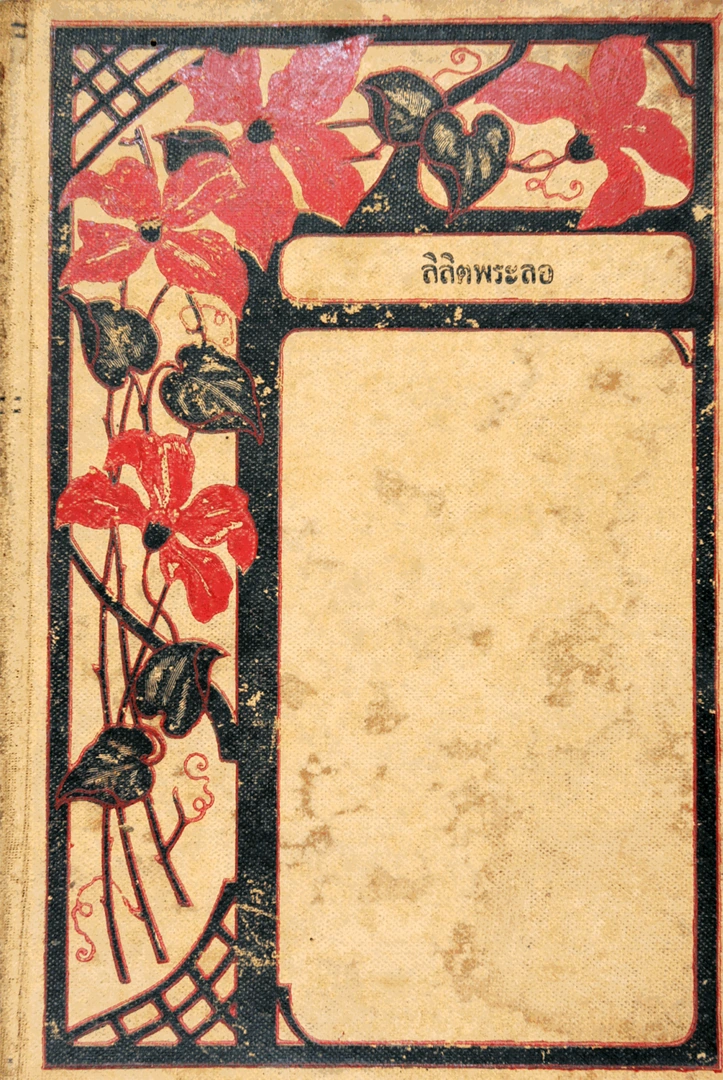
The programme for ROCLING 2026, a computational linguistics and speech processing conference held in Hsinchu, Taiwan, on November 6–7, included a paper on wordplay in the classic Thai poem Lilit Phra Lo. Chawarote Valyamedhi of Taiwan’s National Chengchi University argued that following the story and interpreting its historical language and sound patterns pose different challenges.

Plant names link meanings and sounds in the forest sequence
The paper analysed how plant names in the poem’s forest sequence evoke other meanings and how similar words and sounds recur. It drew on the Thai rhetorical concept of alangkan, focusing on techniques that work through meaning and sound.
Forum discussions show different barriers to understanding
The author selected and analysed exchanges about the poem on Pantip, a Thai-language forum. The paper found that readers could follow the story relatively easily while still finding it difficult to interpret historical words, identify the plants they refer to and appreciate the poem’s word and sound patterns. It also described examples in which the wordplay took on different meanings through forum exchanges.