Comparison of 6,306 Chinese characters found no clear radical effect after matching meanings
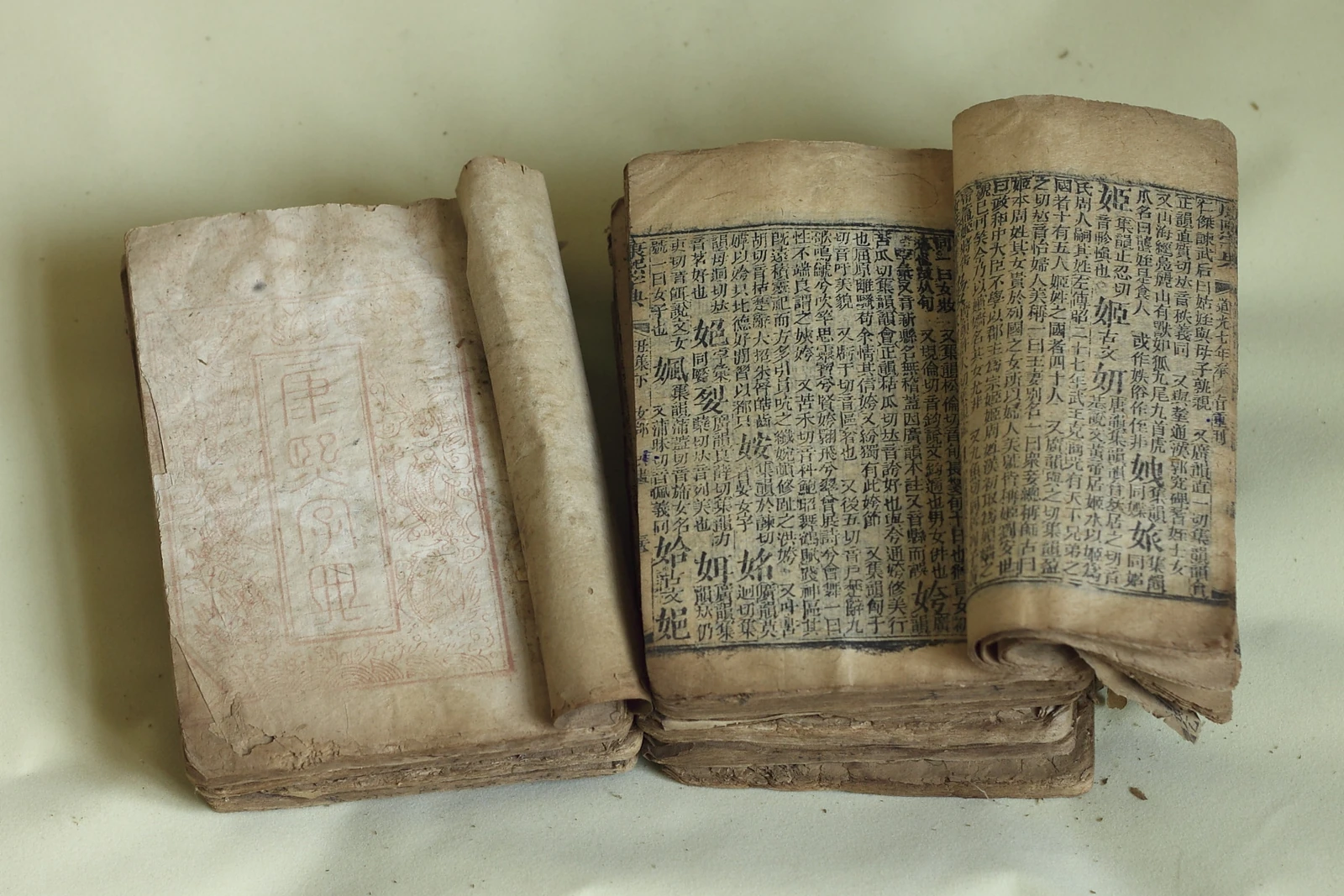
Independent researcher Aryan Maity tested whether characters with the same radical have similar internal representations in two language models. The study appeared in the November proceedings of ROCLING 2026. Across 6,306 Chinese characters, pairs with the same radical had slightly higher cosine similarity. A separate comparison of characters matched by semantic domain found no statistically clear tendency for pairs with the same radical to be more similar.

Two models compared characters across 68 Kangxi radicals
Maity analyzed 6,306 Chinese characters from 68 radicals in the Kangxi Dictionary system. Both multilingual mBERT and Chinese-BERT treated each selected character as a single token. In mBERT, mean cosine similarity was 0.5515 for pairs with the same radical and 0.5353 for those with different radicals. In Chinese-BERT, the corresponding values were 0.8572 and 0.8502.
A second comparison matched characters by meaning
For each of four groups, covering animals, water, wood and metal, the researcher selected five characters with the target radical and five with a similar meaning whose written forms lacked that radical. Across the four groups, neither model showed a clear tendency for pairs with the same radical to be more similar. Maity interpreted the initial difference as related to the association between radicals and meanings and proposed testing more semantic domains.