ROCLING 2026 publishes proceedings from its language and speech conference in Taiwan
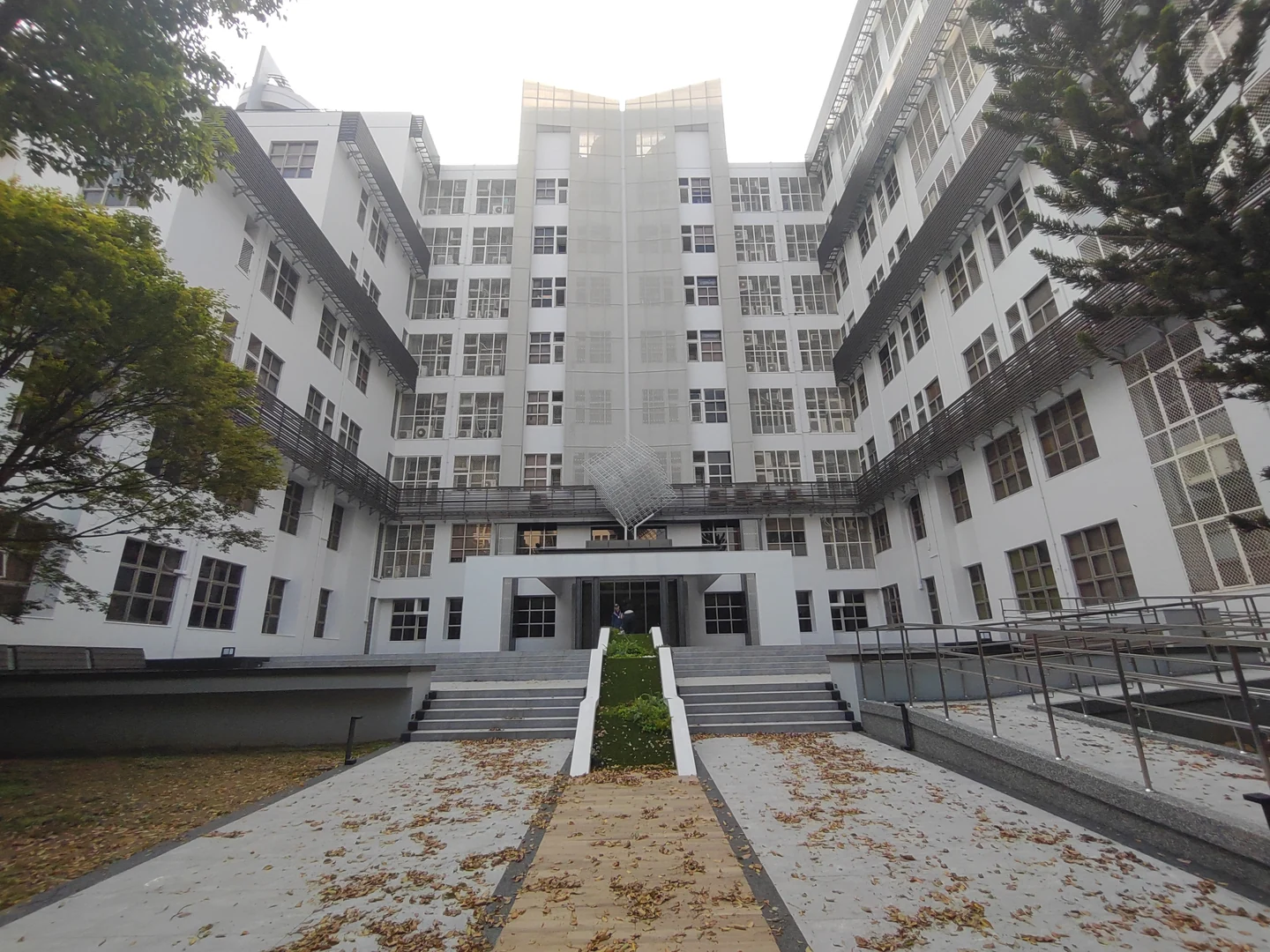
The Association for Computational Linguistics published the proceedings of the 38th Conference on Computational Linguistics and Speech Processing in November. ROCLING 2026 took place November 6–7 at National Tsing Hua University in Hsinchu, Taiwan. The volume covers large language models, information retrieval, conversational AI, speech processing and technologies for languages including Taiwanese Hokkien.
The volume and the program covered different sets of presentations
The foreword says the conference continued the submission tracks introduced in 2025. The volume includes accepted archival papers and special-session papers reviewed by dedicated committees. The non-archival track gave authors a place to present work in progress or under review elsewhere without formal publication. The ACL Anthology lists 50 individual entries alongside the full proceedings.
Two keynotes and a shared task on sentiment in Chinese text
The foreword introduces keynotes by Kotaro Funakoshi of the Institute of Science Tokyo, on machines attentive to human states and behavior, and Berrak Sisman of Johns Hopkins University, on speech technology. The program also included a tutorial on memory management for large language model agents and a special session on wordplay in digital discourse. The shared task asked participants to score emotions expressed in Chinese texts by recent immigrants.