A historian traces how the 1973 oil crisis shaped views of climate policy
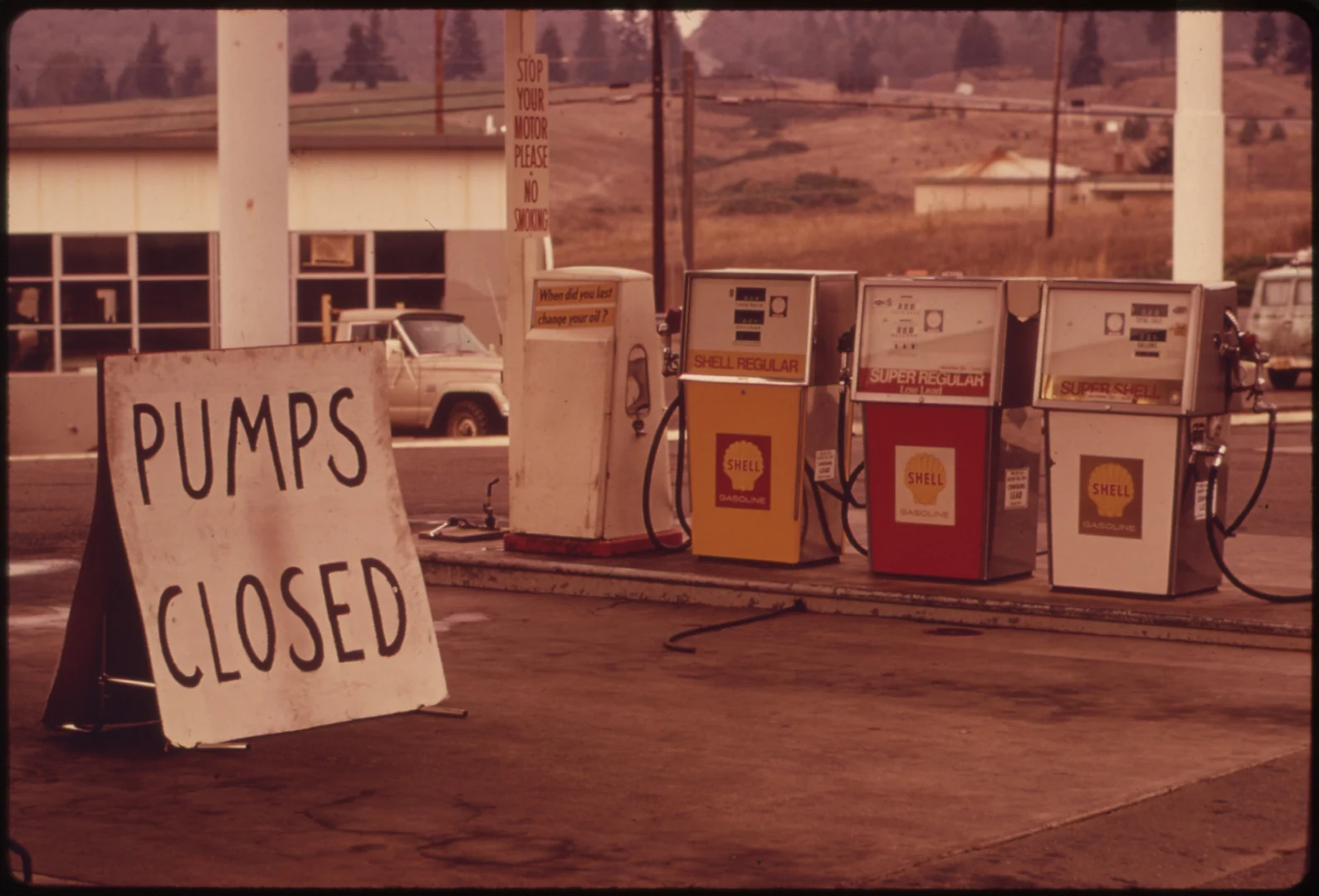
On November 13, the Columbia Climate School published an interview with Leah Aronowsky, a historian of science and the environment. In a book she is writing, Aronowsky examines why scientists who lived through the 1973 oil crisis were pessimistic about policies to prevent climate change, given how difficult it seemed to reduce dependence on fossil fuels.

The oil crisis and the Cold War shaped scientists’ expectations
Aronowsky said scientists including Roger Revelle, Wallace Broecker and Walt Roberts were skeptical in the late 1970s that climate change could be prevented. The 1973 oil crisis disrupted daily life and the economy, and the possibility of conflict between coal-rich Cold War powers was on their minds. For scientists who saw fossil fuels as central to the economy and international politics, Aronowsky said, changing that dependence looked politically difficult.
Sustainable development and the cost of living
Aronowsky said ideas such as sustainable development, which brought economic growth and environmental protection together, helped build support for international cooperation on climate in the 1980s. She drew a parallel with the 1970s, saying energy prices and living costs shape what policies are possible. She cited the work of New York City Mayor Mamdani as an example of connecting affordability to climate policy.