Study finds 5,511 stone tools at an ancient lakeshore in southern Saudi Arabia
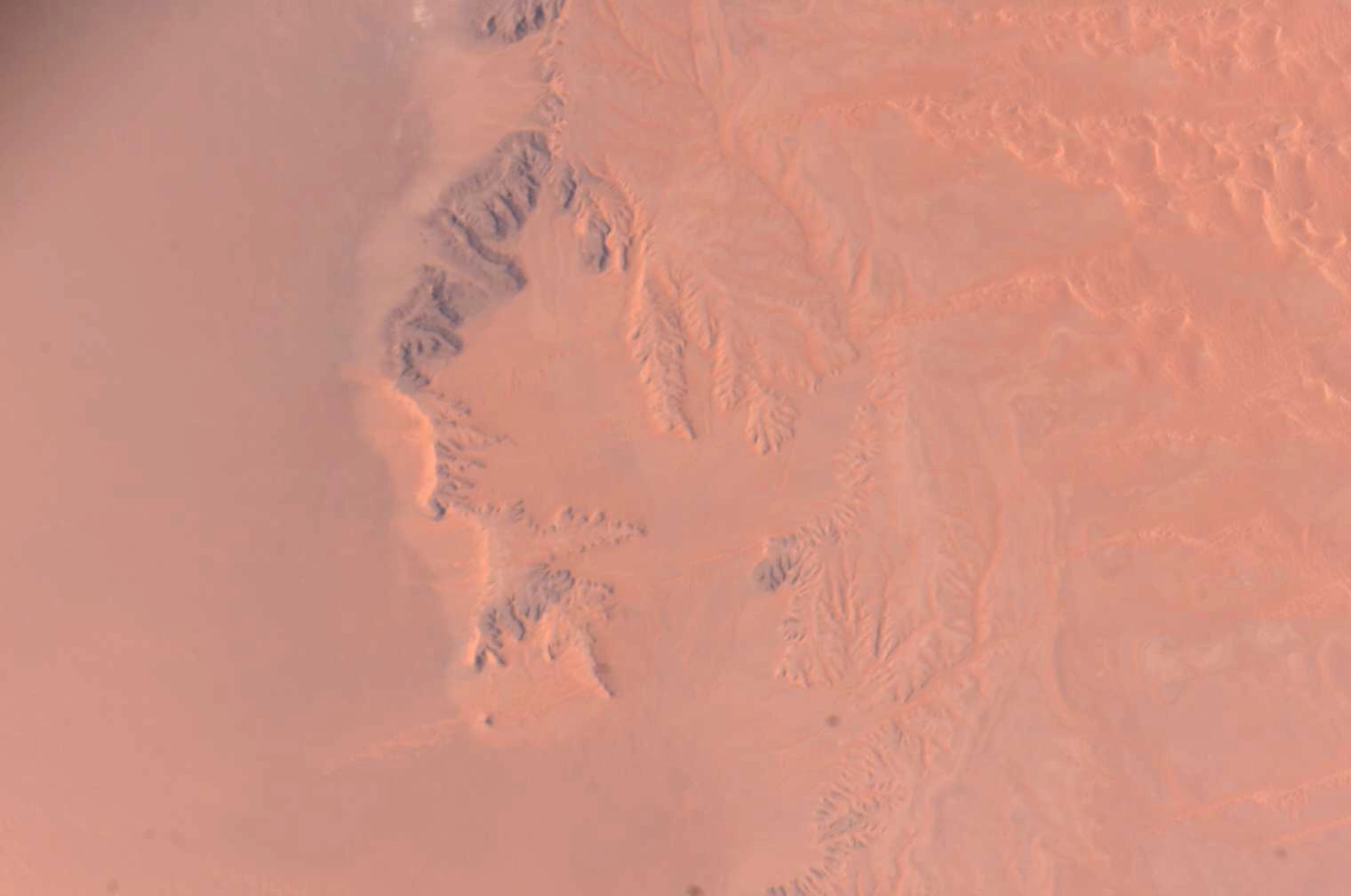
On November 13, King Abdullah University of Science and Technology (KAUST) announced research on stone tools and plant and animal fossils found beside the ancient Mundafan lake in southern Saudi Arabia. The site has an estimated age of roughly 125,000 years and dates to the warm, wet Last Interglacial. Researchers found 5,511 stone tools larger than 2 centimeters in the main survey area. The findings appeared in Science.
A freshwater lake of about 340 square kilometers, up to about 29 meters deep
The team reconstructed the lake’s extent using satellite-derived terrain data. It estimated an area of about 340 square kilometers and a maximum depth of roughly 29 meters. Sediments and traces of aquatic life point to a relatively stable freshwater lake surrounded by vegetation and open grassland. The survey recorded more than 500 plant and animal fossils from over 130 locations, with remains of hippopotamuses, camels and extinct long-horned relatives of cattle.
Stone tools and plant residues offer clues to activity at the lakeshore
More than 98% of the stone tools collected at the main survey sites were made of flint. Plant residues on the tools suggest that people processed material such as tubers and palm leaves. Researchers used two dating methods on samples of sand and fossil teeth. The team inferred human activity from the tools and their context. Finding traces of animals, plants and tools at the same lakeshore let researchers study the environment and human activity together. The paper says erosion and other processes may have mixed material from different periods. The finds cannot establish how long people stayed or which routes they took.