Monex says data from account applications may have leaked after unauthorized access

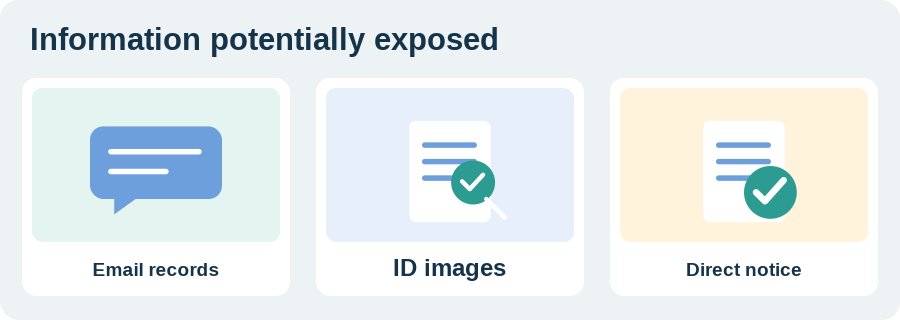
Monex Securities said on November 13 that an interim investigation into unauthorized access to an outsourced account opening system found that up to 1.13 million email address records and 1,592 identity verification images may have been exposed. The figures remain subject to further investigation.
Which applications may be affected
The email records cover addresses entered at the first stage of online account applications from October 16, 2019 onward. The count includes duplicate and incomplete entries and applications that were never completed. The images were submitted through an identity verification method that required photographs. They include the front of Japan's My Number card, both sides of a driver's license, and selfies. Monex says it has not yet identified the affected images individually. It has found no evidence that My Number identifiers or information submitted through the card's public personal authentication method was exposed.
Existing accounts and next steps
The contractor detected an attempted intrusion on October 18, and external access to the affected system was blocked on October 19. According to Monex, that account opening system is separate from the core system used for account balances and trading. Existing account logins and ordinary trading are unaffected. The company says it will contact people whose data exposure is confirmed individually and announce on its website when the temporarily suspended account opening services resume. It advises recipients of suspicious emails or text messages claiming to be from a securities firm or other financial institution to avoid following links, entering passwords, or replying.

