Tasmania’s giant kelp restoration effort gets new genetic data
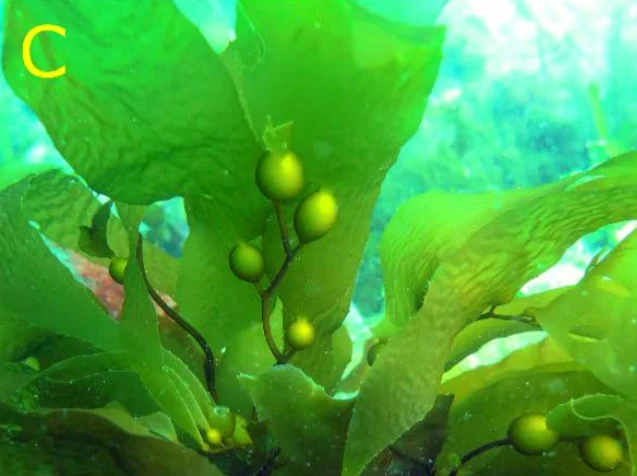
Google says researchers analysed DNA from 600 wild giant kelp specimens collected at 40 Tasmanian coastal sites. The work will help researchers investigate heat tolerance as they plan restoration.
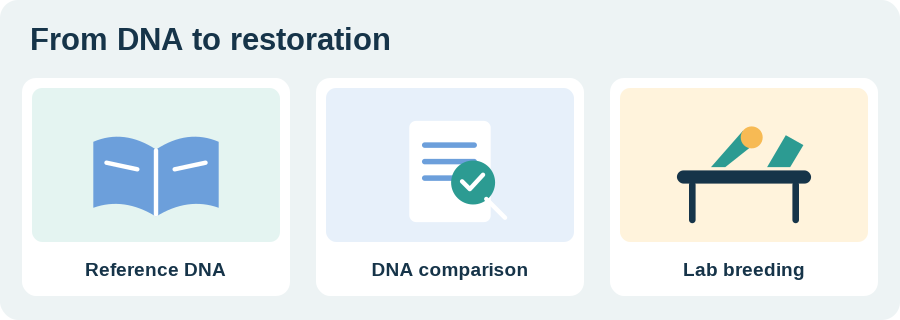
Two genomes provide a reference
A study published in BMC Genomics on 12 June 2026 assembled reference genomes from two giant kelp (Macrocystis pyrifera) specimens collected in 2024, one in Victoria and one in Tasmania. A reference genome gives researchers a baseline for comparing DNA across specimens.
DNA from 40 coastal sites
In its 12 November update on the partnership with Australia’s national science agency CSIRO, Google said the researchers trained a version of DeepVariant to analyse DNA from 600 wild specimens collected at 40 sites along Tasmania’s coast. The tool identifies differences in DNA sequences.
What restoration still needs
The genetic analysis and laboratory crossbreeding help researchers investigate which kelp can tolerate warmer water and how to retain genetic diversity. The November update gives no survival results from replanting with kelp selected through this analysis.
