EU requires genome sequencing of five bacteria in foodborne outbreak investigations
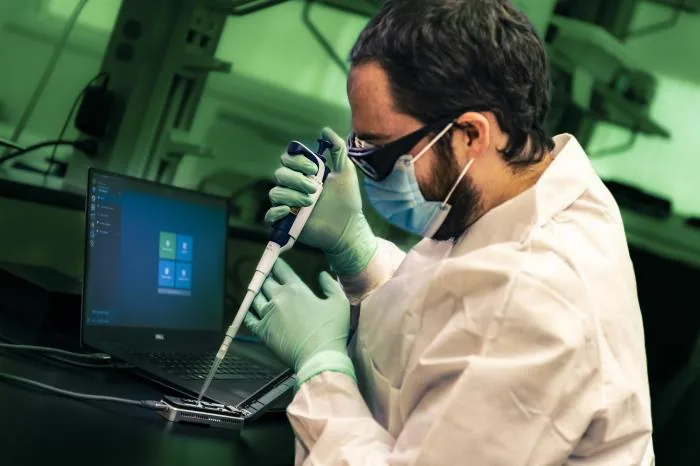
Since 23 August 2026, national authorities investigating foodborne outbreaks have had to sequence certain bacterial isolates and share the results with the European Food Safety Authority. A genetic match can guide investigators toward a source.
When the requirement applies
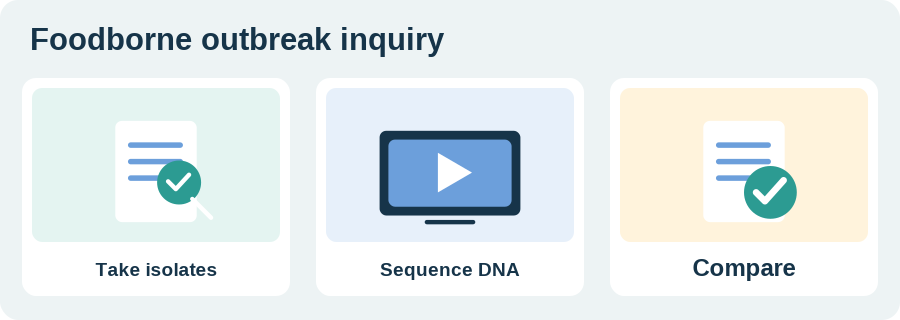
Commission Implementing Regulation (EU) 2025/179 was adopted on 31 January 2025, published in the Official Journal on 3 February 2025 and has applied since 23 August 2026. During an outbreak investigation, authorities must collect isolates without undue delay when analytical or epidemiological evidence links them or suggests a link to an outbreak. The rule covers isolates from suspected food, animals, feed or related environments and names five species: Salmonella enterica, Listeria monocytogenes, Escherichia coli, Campylobacter jejuni and Campylobacter coli.
What authorities and businesses submit
An official laboratory accredited for the method under ISO 17025 uses whole-genome sequencing (WGS) to read the genetic sequence of at least one isolate per serovar, biotype or molecular type. The competent authority sends the results without undue delay to the European Food Safety Authority (EFSA), with details such as the sample identifier and the date and country of sampling. When the authority asks, food and feed businesses provide available isolates and sequencing results from their own investigations. The regulation leaves the sequencing obligation with the authorities.
How investigators use a genetic match
EFSA and the European Centre for Disease Prevention and Control (ECDC) use the One Health WGS system to compare profiles from food and human samples. A match gives investigators a lead. The Commission’s guidance says they need other evidence to confirm the source, such as patient interviews, what patients ate and records tracing a suspected product through the supply chain.
