NVIDIA, IBM and Fermilab plan a platform to study quantum and classical computing together
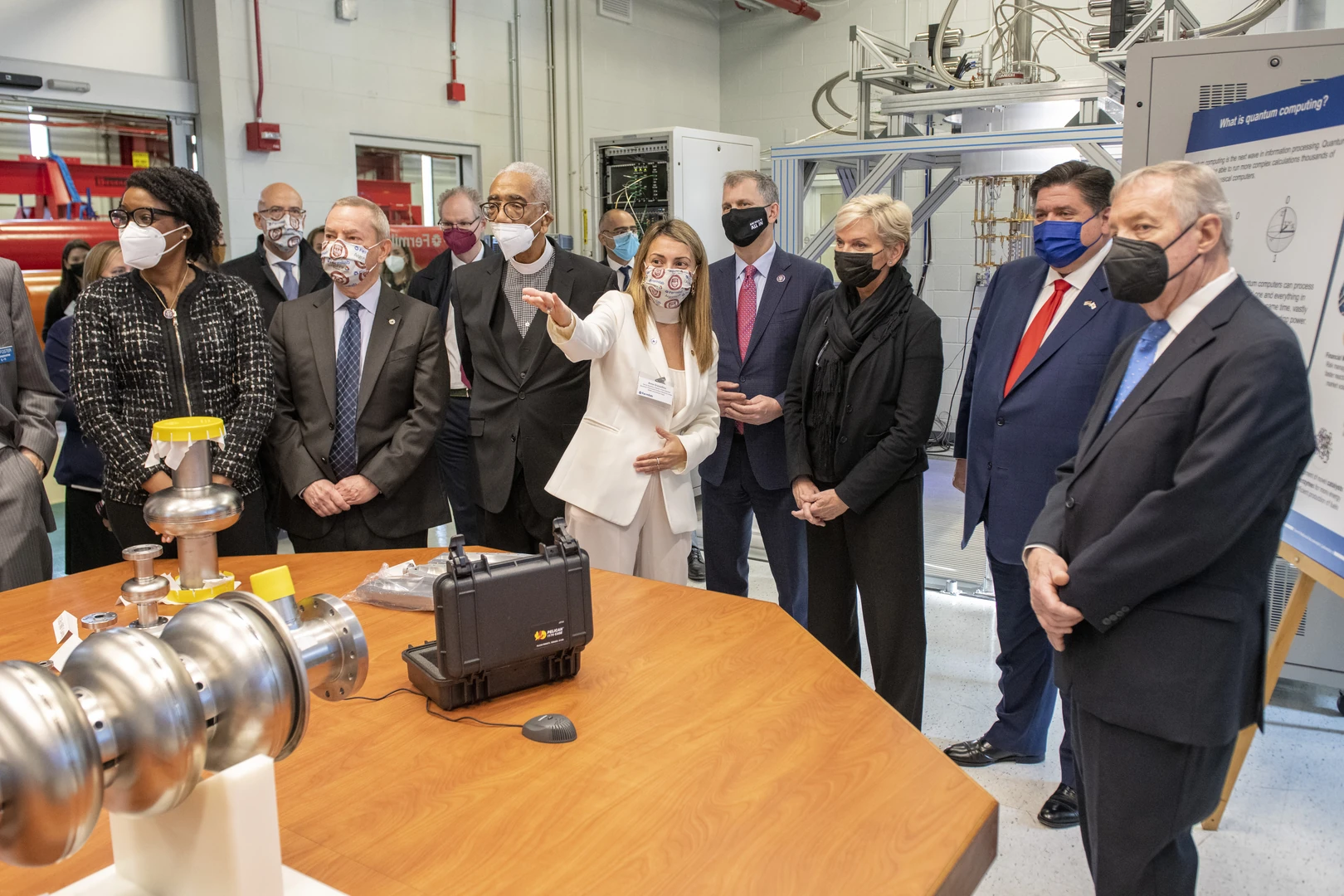
On November 16, NVIDIA announced plans with IBM and the U.S. Fermi National Accelerator Laboratory to build a research platform for designing and applying systems that combine quantum computers and conventional computers. The collaboration will study how to connect multiple quantum processors and correct errors. NVIDIA also released a new decoder for quantum error-correction research that day.

Studying designs that link several quantum processors
IBM and NVIDIA are working to colocate NVIDIA DGX B200 systems with IBM quantum computers, including models powered by the IBM Quantum Nighthawk processor. The proposed platform will explore how to scale conventional computing alongside multiple linked quantum processors, how to correct quantum errors, and applications in high-energy and nuclear physics. Fermilab chief technology officer Anna Grassellino said accelerated computing could help researchers design algorithms and study errors in quantum processors.
NVIDIA reports up to a 13,000-fold speedup in research decoding
A decoder uses quantum bit measurements to identify likely errors. NVIDIA released a new decoder algorithm, TCBP-JOBS, through its CUDA-Q QEC 0.9.0 software library. The company reported a speedup of up to 13,000 times for compute-intensive decoding in error-correction research compared with leading existing algorithms. NVIDIA’s research material says the maximum was achieved with bivariate bicycle codes and a particular configuration of the comparison decoder, Tesseract.
Adding quantum processor scheduling to existing software
NVIDIA is adding support for quantum processors to Slurm, the open-source workload manager for supercomputers. IBM is contributing to the integration through its Quantum Resource Management Interface. The feature would allow researchers to schedule quantum processors alongside CPUs and GPUs. NVIDIA expects to release Slurm 26.11 with the new capability later in November.