OpenAI evaluates AI for healthcare workflows, rates 99% of 325 electronic health record tasks safe
On November 16, OpenAI published evaluation results for AI agents that work with electronic health records and insurance systems to assist healthcare professionals. The company rated 99% of 325 electronic health record tasks assessed for safety as safe.
MRI prior authorization demo used synthetic patient data
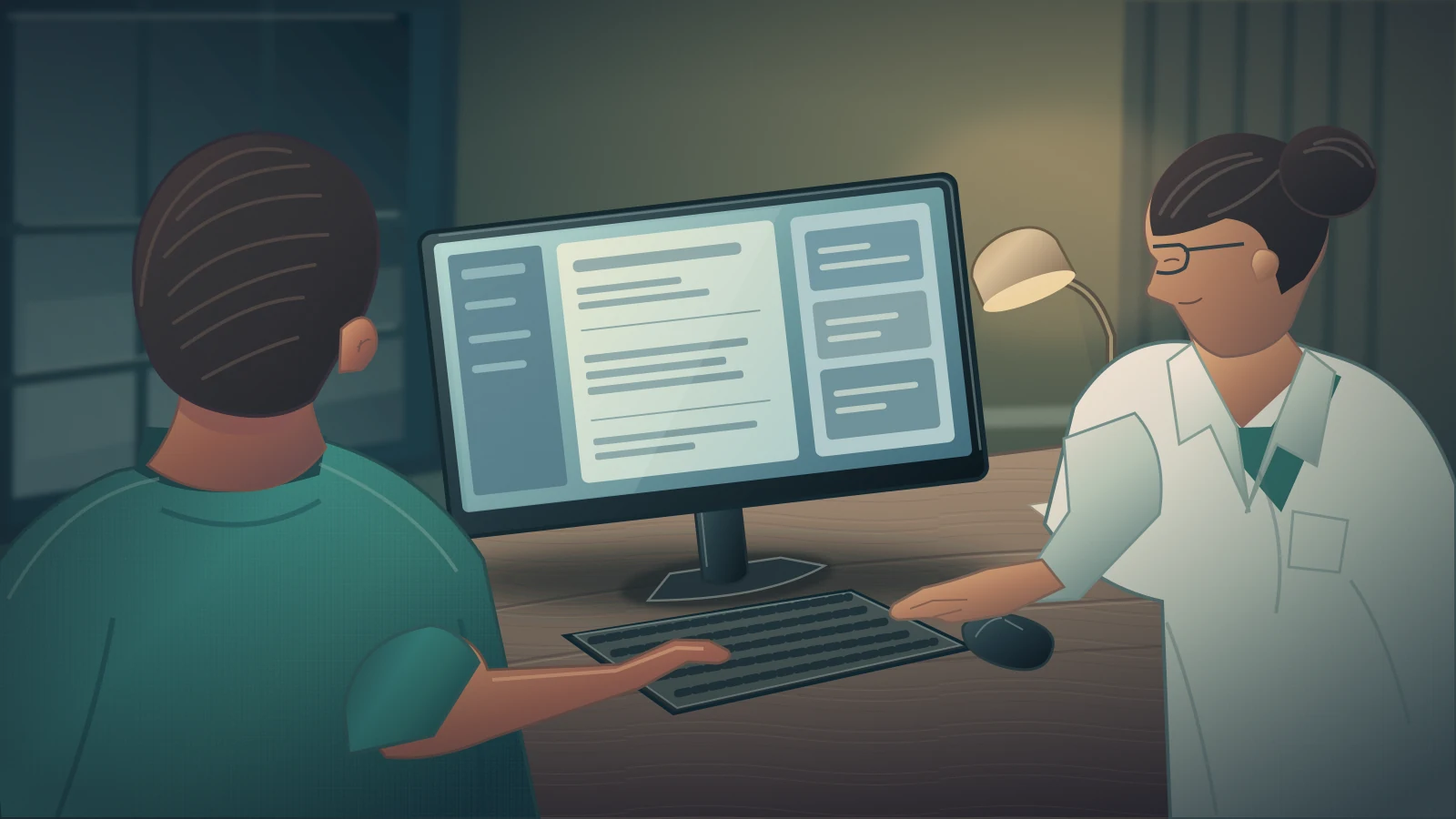
Using synthetic patient data, OpenAI showed how an agent could use electronic health records to draft an MRI order, a clinical note and a reply to a patient. A clinician reviews the drafts. In a demonstration of preparing a prior authorization request in an insurer’s system, a specialist reviews the request.
Safety and helpfulness were evaluated separately
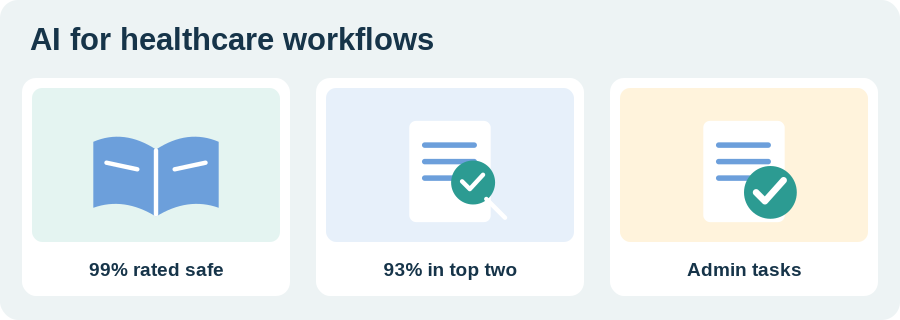
OpenAI evaluated GPT-6 Astra on electronic health record tasks developed with input from physicians. It reviewed whether mistakes, omissions or actions in the model’s work could harm a patient and rated 99% of 325 tasks as safe. In 93% of 646 helpfulness assessments by physicians, the score was in the top two on a five-point scale. In a benchmark for administrative tasks developed by Stanford University researchers and cited by OpenAI, Astra earned 94.3% of available rubric points and GPT-6 Luna earned 91.8%. Both models were evaluated at the highest reasoning setting. OpenAI said Luna cost 8.5 US cents per task, 98% less than Astra.
Available through the API and healthcare editions of ChatGPT
OpenAI says healthcare teams, developers and individual clinicians can use the agents through the OpenAI API, ChatGPT for Healthcare and ChatGPT for Clinicians. Organizations can set approval steps, configure agent access and keep audit logs, the company says.