OpenAI offers tool to flag suspected child sexual abuse imagery

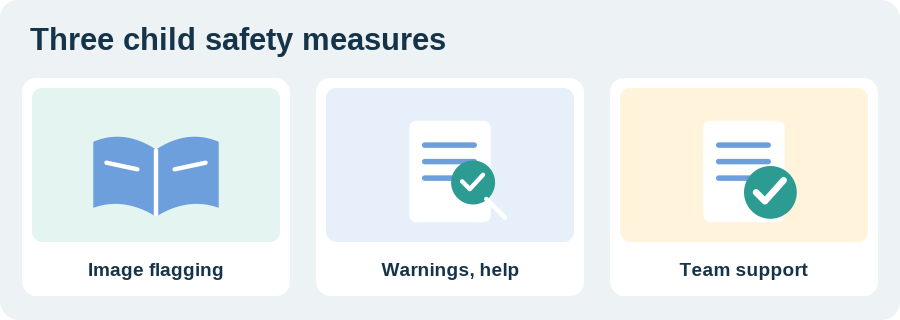
On 16 November 2026, OpenAI announced a tool that flags suspected images depicting child sexual abuse and helps human reviewers prioritise them. It covers AI-generated imagery and is available free of charge to vetted organisations. OpenAI also announced ChatGPT warnings for attempts to find abusive imagery and support for investigators.
Free access for vetted organisations
Vetted organisations can access the new image classifier through the OpenAI API at no cost. The tool returns information to help reviewers prioritise images that may need attention. OpenAI said it developed and evaluated the tool with help from the U.S. National Center for Missing & Exploited Children (NCMEC). In an early evaluation using images uploaded by users, OpenAI estimated that the new tool would flag 48% fewer images while finding roughly the same number of abusive images as its existing safeguards.
ChatGPT warnings direct people to specialist support
Under the announced measures, ChatGPT will display a warning when someone attempts to find abusive imagery and direct them to specialist support to help stop the behaviour. OpenAI said that support would remain available even when it removes a flagged conversation and pauses ChatGPT access for 24 hours.
Support for developers and child protection investigators
OpenAI also published guidance for developers on how users can report suspected abuse and how teams can review and report suspicious content. It is preparing tools and training to help child protection investigators organise and review records. Access depends on requirements including authorisation from their agency.