IBM, Fermilab and NVIDIA plan a shared platform for quantum and classical computing
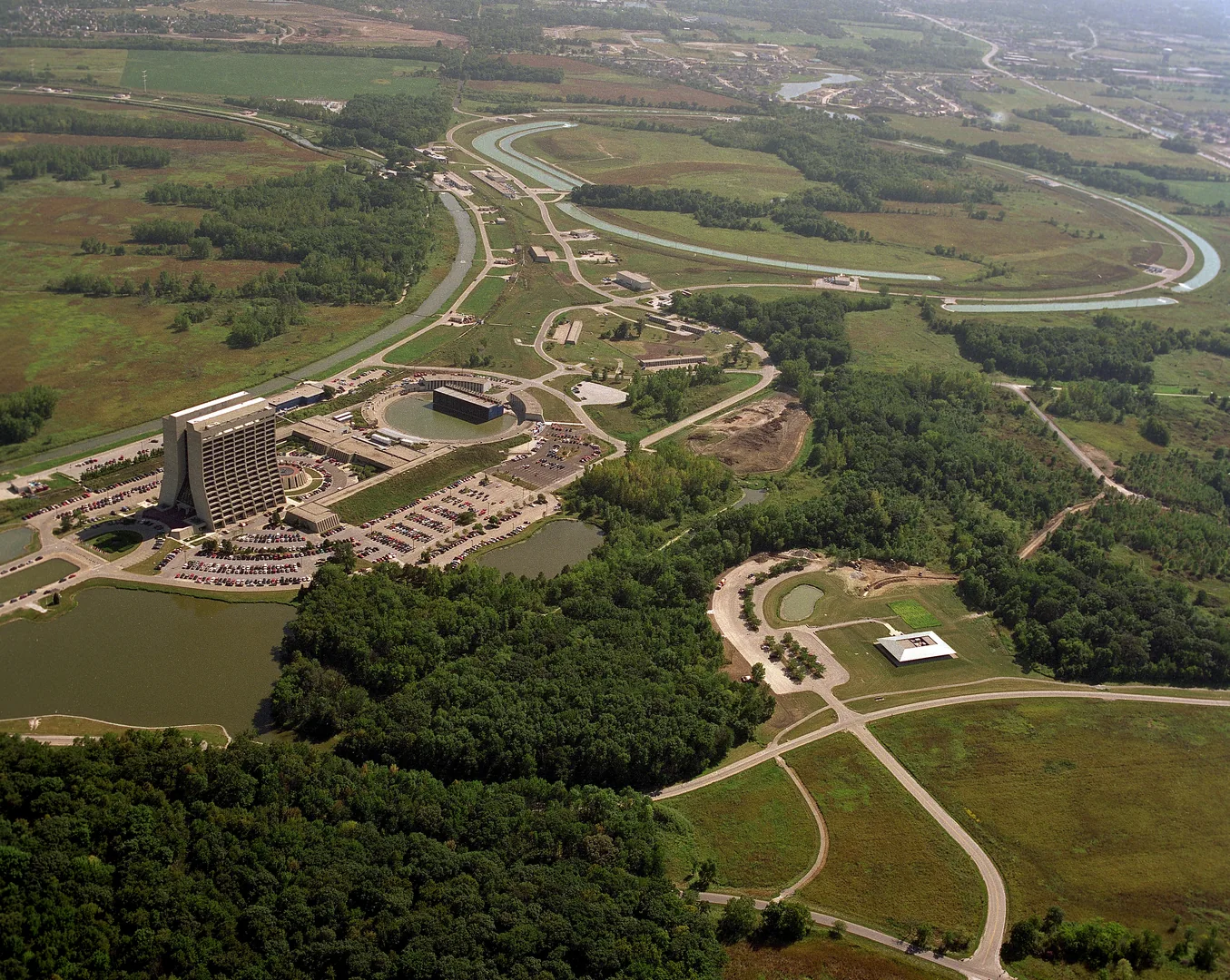
On November 16, IBM announced plans with the US Fermi National Accelerator Laboratory and NVIDIA to build a research platform combining quantum computers with GPU-based systems. The partners will test ways to link multiple quantum processors and explore applications in high-energy and nuclear physics calculations.
NVIDIA GPU systems and IBM quantum computers at one site
The three partners plan to put NVIDIA DGX B200 systems and IBM quantum computers, including machines with IBM Quantum Nighthawk processors, at the same site. Drawing on the expertise of Fermilab’s Superconducting Quantum Materials and Systems Center (SQMS), they will explore how to connect quantum processors, collect large numbers of results and scale up the classical processing needed to support the work.
Slurm will manage access to quantum processors
IBM and NVIDIA worked with Pasqal and open-source developers to bring quantum computing into Slurm, which manages jobs on supercomputers. The Quantum Resource Management Interface (QRMI) will allow users to allocate or reserve time on quantum processors. NVIDIA expects the corresponding Slurm 26.11 release in the second half of November.
Separate study with RIKEN models an iron–sulfur cluster
In a separate study, IBM, RIKEN and NVIDIA performed calculations on an Fe₄S₄ cluster. They used 72 qubits and collected five million samples from circuits with up to 4,000 two-qubit operations. The energy calculated with a quantum computer and GPUs differed by 4.3 millihartrees from the result from the classical density matrix renormalization group (DMRG) method, the team reported.