OpenAI adds computer-use agents and more than 20 integrations to ChatGPT for Healthcare

On 16 November 2026, OpenAI announced expanded computer-use agents and search for clinical evidence in ChatGPT for Healthcare, its product for healthcare organisations. The agents help with tasks such as processing referrals and moving documents between systems. OpenAI added more than 20 healthcare integrations and made a clinical search configuration available to developers through its API.
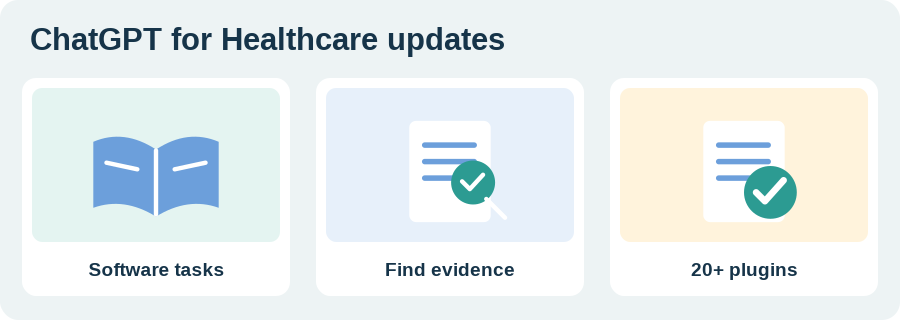
Moving documents with human review where required
The agents read on-screen information and move between applications to carry out tasks. Healthcare organisations can choose which applications agents may access and which steps require human review. OpenAI said access in the institutional product depends on workspace settings. Administrators must enable the new integrations.
Clinical evidence search through the API
Developers can use the healthcare configuration in the Responses API to add clinical search with citations to their own applications. In OpenAI’s HealthBench Professional evaluation of 525 tasks written by physicians, GPT‑6.2 Astra with the healthcare configuration scored 74.4% after adjustment for answer length. The evaluation measured performance on those tasks. A Stanford Health Care representative said the organisation planned to evaluate the capabilities in practice and measure whether bringing evidence into the workflow changes decisions.
Contracts and settings for handling protected information
OpenAI said that workflows involving protected health information under U.S. HIPAA rules require eligible services covered by a business associate agreement (BAA) with OpenAI, required security and retention settings, and protections for connected systems. It said content shared with ChatGPT for Healthcare is excluded from model training.