Puncak Jaya’s remaining ice no longer functions as active glaciers, NASA reports
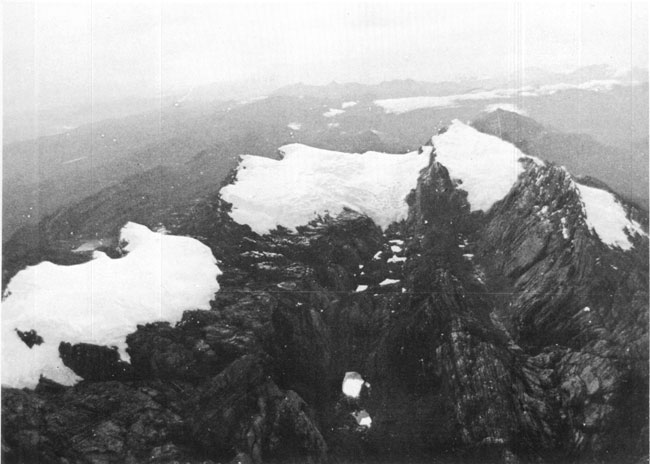
NASA Earth Observatory reported on November 16 that ice near Indonesia’s Puncak Jaya has fragmented into small patches that no longer flow. Ice remains, but BMKG climate scientist Donaldi Permana says its life as active glaciers is effectively over.

The latest area estimate is from 2025
NASA compares Landsat images acquired on November 3, 1988, and October 19, 2026. According to Permana, the glaciers covered about 4.31 square kilometers in 1988; satellite and aerial observations showed about 0.09 square kilometers in September 2025, roughly 2 percent of the earlier extent. That is not a measurement of the 2026 area. An aerial survey planned for December is expected to provide an updated estimate.
Thinner ice, smaller fragments
At the main monitoring site on East Northwall Firn, ice thickness fell from 32 meters in 2010 to 4 meters in 2023, Permana told NASA. By November 2024, ice at that particular site had disappeared. Other patches persist near Puncak Jaya. NASA explains that glacier flow requires sufficient ice thickness, while sustained accumulation depends on snow surviving faster than it melts.
The new images show exposed bedrock
NASA’s 2026 image shows newly exposed rock between the remnants. Fragmentation creates more edges where melting can occur, and snowfall on the bare rock does not last long enough to build new ice. The report describes the loss of active glaciers; it does not establish that all ice has vanished or give a confirmed date for its complete disappearance.
