Antarctic tracking study finds young emperor penguins spent time in recently fished waters
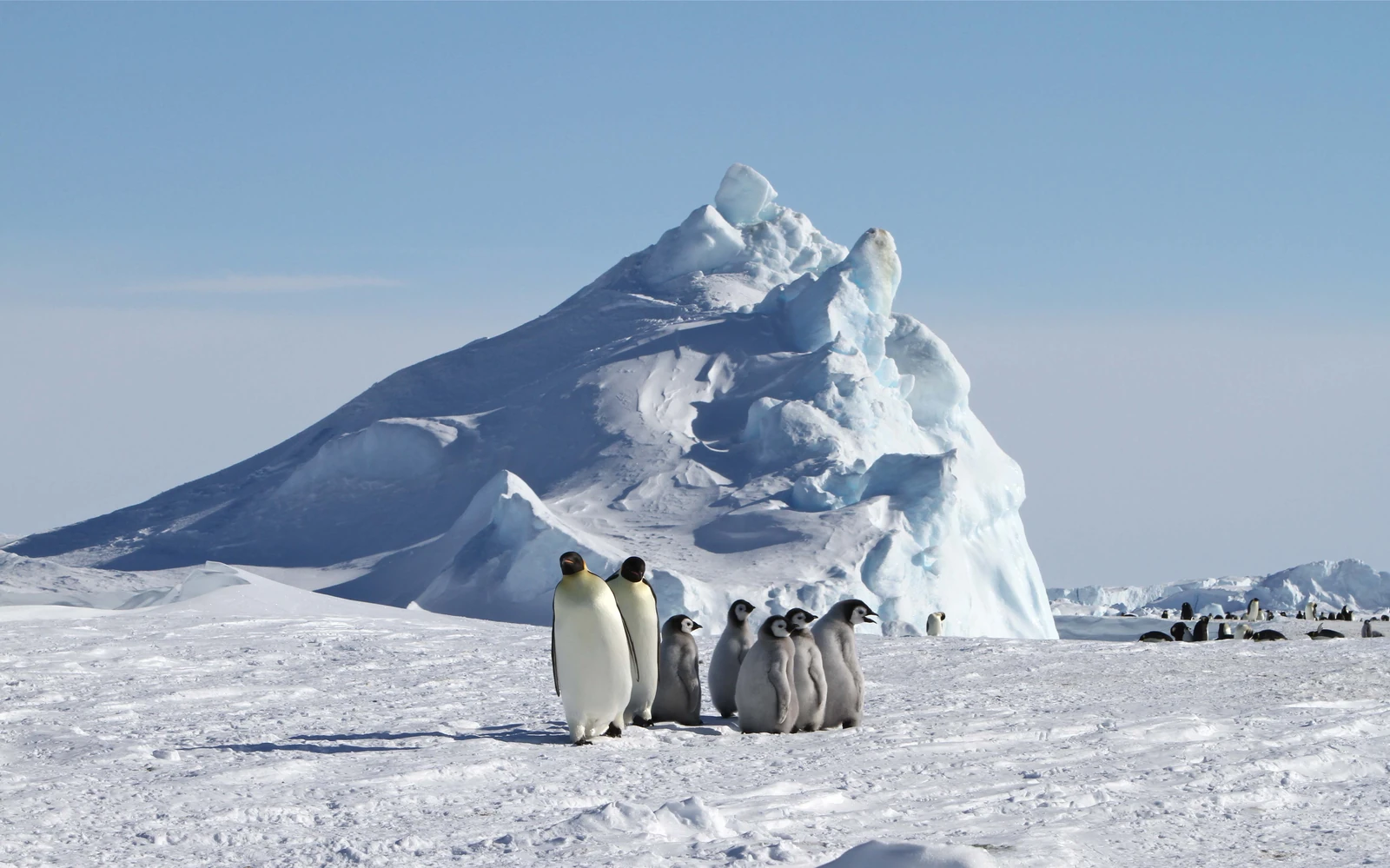
On November 17, the U.S. Woods Hole Oceanographic Institution (WHOI) released findings from an international team that tracked 48 juvenile emperor penguins around Antarctica’s Weddell Sea. In their first year at sea, the young birds’ movements overlapped with proposed marine protected areas and with waters where fishing activity, mainly for krill, had been recorded.
Young penguins tracked from three breeding colonies
The team studied juveniles from three emperor penguin colonies at Snow Hill Island, the Jason Peninsula and Atka Bay. The birds from all three colonies followed a similar pattern, first traveling north toward the Antarctic Polar Front and then moving with seasonal changes in sea ice. In February and March, the Jason Peninsula juveniles spent more than 60% of their time in recently fished waters.
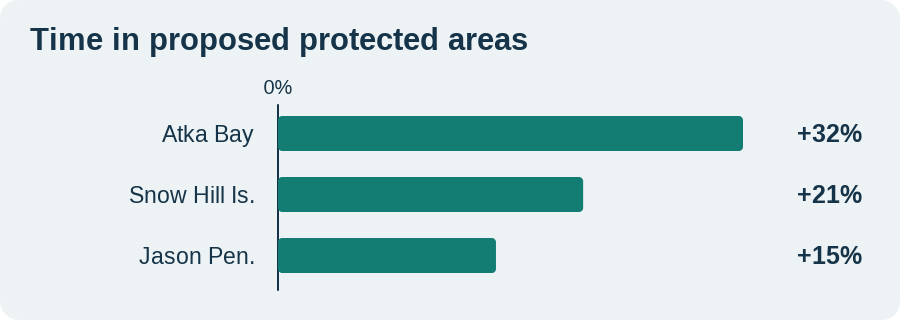
Young birds spent 15% to 32% of their time in proposed protected areas
Over the course of a year, juveniles from Atka Bay spent 32% of their time in proposed marine protected areas, compared with 21% for those from Snow Hill Island and 15% for those from the Jason Peninsula. The researchers say the findings could inform protection of waters that juveniles use year after year as well as areas around breeding colonies.