Oceanus explores marine life across timescales from days to about 100 million years
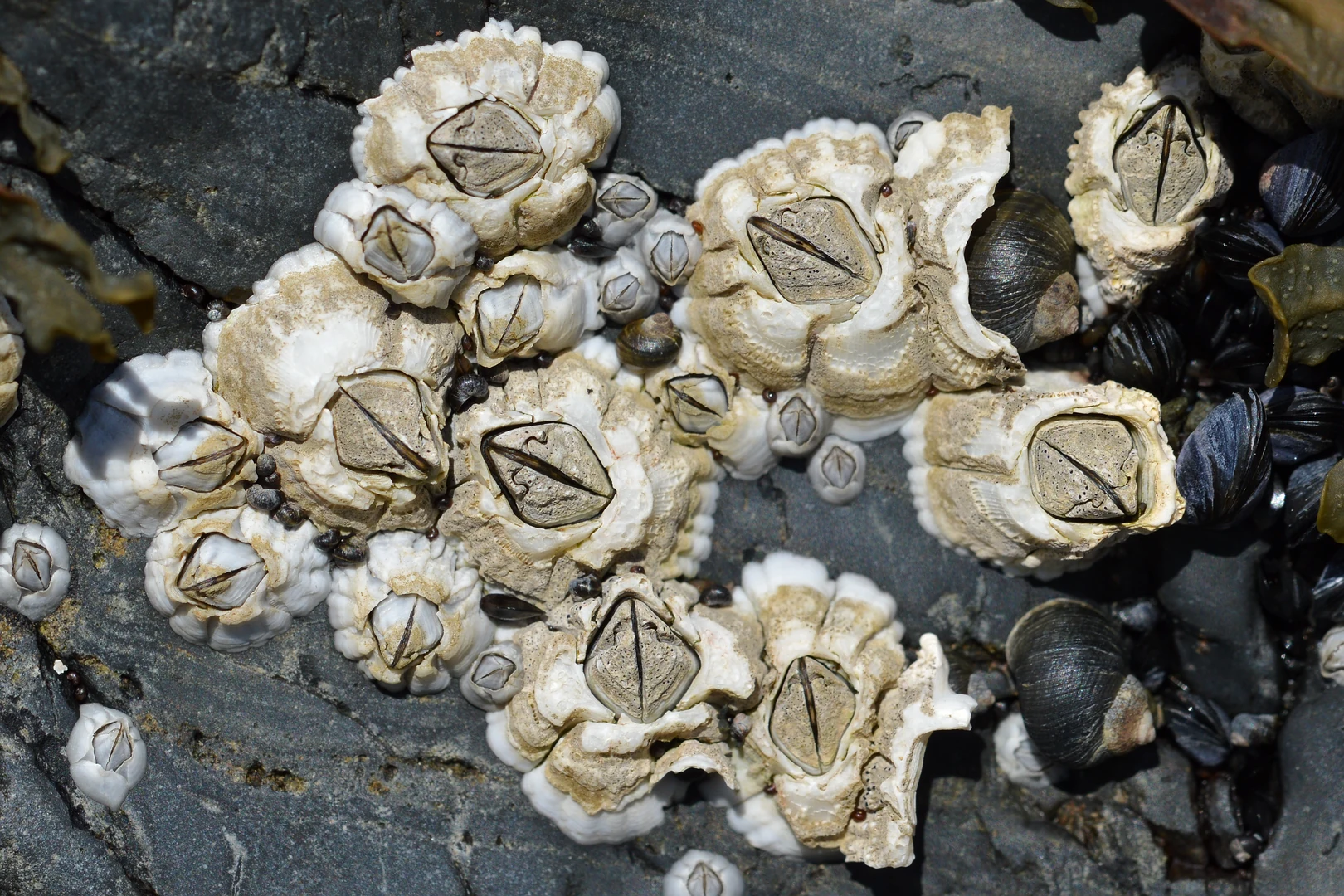
In a feature by Ella Friedman dated September 22, the Woods Hole Oceanographic Institution’s marine science magazine Oceanus described research on ocean life across different timescales. It covered the daily and seasonal movements of basking sharks, growth records preserved in coral, and about 100 million years of fish ecosystem history.
Barnacle development and basking shark movement
According to WHOI scientist Jesús Pineda, who studies marine life on the seafloor, the northern rock barnacle (Semibalanus balanoides), an acorn barnacle found on rocky northern shores, takes about 30 to 100 days to develop. Development takes longer in colder water. The feature also describes how the basking shark follows its prey by diving deeper during the day and moving nearer the surface at night, while also travelling long distances with the seasons.
Coral growth bands and the history of fish ecosystems
Seasonal changes in the density of coral skeletons are preserved as bands. A researcher featured in the piece explained that dense bands formed when coral growth slows, for example during marine heatwaves, can offer clues to past bleaching. A WHOI research group also studies about 100 million years of fish ecosystem history using tiny fossilised fish teeth and shark scales.