18% of AI leaders have full authority over AI investment, IBM survey finds

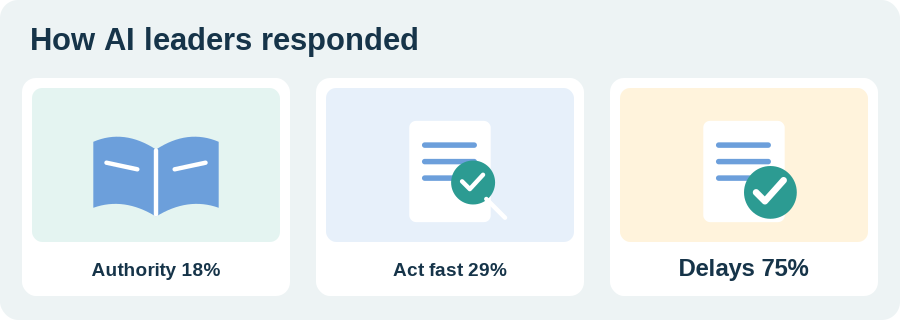
U.S. company IBM said on November 17 that 18% of 1,667 surveyed executives responsible for corporate AI strategy or related areas reported having full authority over AI investment decisions. Only 29% said their organisations quickly revisit decisions and resource allocations when AI performance points to improvements.
Researchers surveyed AI leaders in 33 countries and regions and 20 industries
The IBM Institute for Business Value, IBM’s research unit, conducted the survey with Oxford Economics from April to June 2026. Respondents included chief AI officers (CAIOs), chief data and AI officers and heads of AI, among others. Some 32% said AI was transforming their business models, 35% said it was primarily strengthening their existing models, and 26% expected a shift but had yet to make the necessary changes.
75% report delays from governance, risk management or compliance
Among respondents, 48% said AI agents initiate and carry out work across multiple business processes. Meanwhile, 75% said governance, risk management and compliance requirements slow the execution of AI-enabled work. Some 73% said they had defined when human oversight is essential, and 61% said they had clearly defined and consistently applied limits on what decisions AI is allowed to make.
IBM compares results from leaders it classified as high performers
The AI leaders IBM classified as high performers reported measurable business outcomes in 63% of projects, compared with 43% for other leaders. The share of pilots that moved into production was 49% versus 33%, and the time to scale successful initiatives company-wide was eight months versus 13.5 months. The survey reported an association between these differences and how organisations approached changes to business processes and investment decisions.