Warming may have weakened slope before Nepal glacier collapse and flood
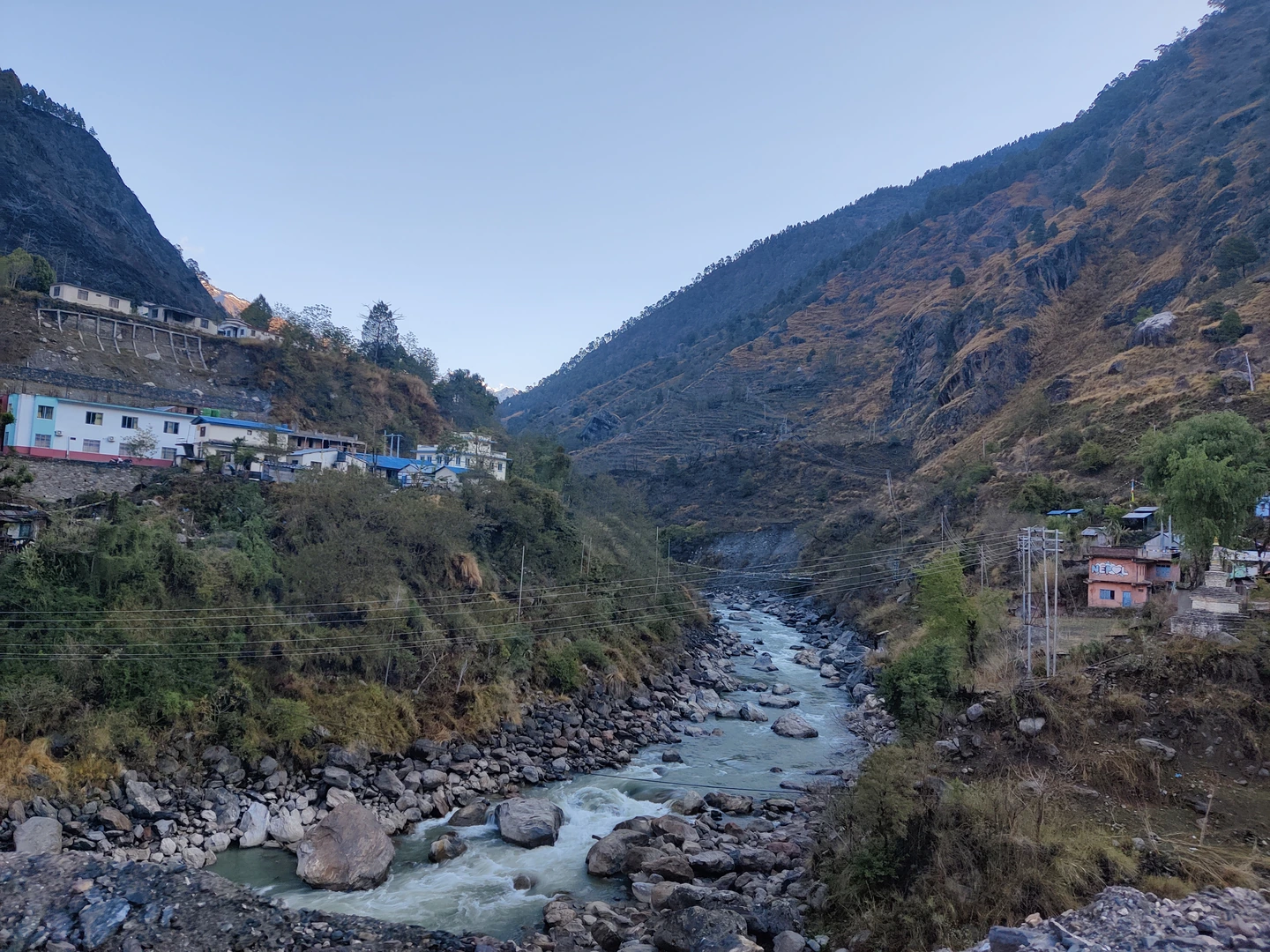
On November 17, GlacierHub at Columbia University’s Climate School in the United States reported on an August 26 rock and glacier collapse in northern Nepal and the flooding downstream. The international research team World Weather Attribution said that permafrost degradation and glacier shrinkage as temperatures rose may have affected slope stability.
Glacier and rock collapse followed by flooding
According to an analysis published by World Weather Attribution on September 17, a rock face on Langtang Lirung near Nepal’s border with China collapsed, and part of the glacier above it also gave way. The falling rock and ice were followed by a flood carrying debris. Permafrost thaw may have weakened the bedrock, the researchers said. They also pointed to glacier thinning and retreat as factors that may have reduced slope stability.
Forecasting sudden collapses and assessing climate change
The team estimated that human-caused climate change made July and August temperatures in the area about 1.5°C higher. The analysis did not assess whether this particular collapse would have occurred without climate change. A Columbia University researcher who spoke to GlacierHub pointed to the difficulty of forecasting glacier-related floods and other events that unfold rapidly.