Catalonia launches an online tracker for its archaeology and paleontology plan
On November 18, the government of Catalonia, Spain, launched a webpage to track progress on PAPCAT 2030, its archaeology and paleontology plan for 2026–2030. The public and others working in the field can use it to see how far each measure in the plan has advanced.
Measure 1.3.3 calls for publishing progress
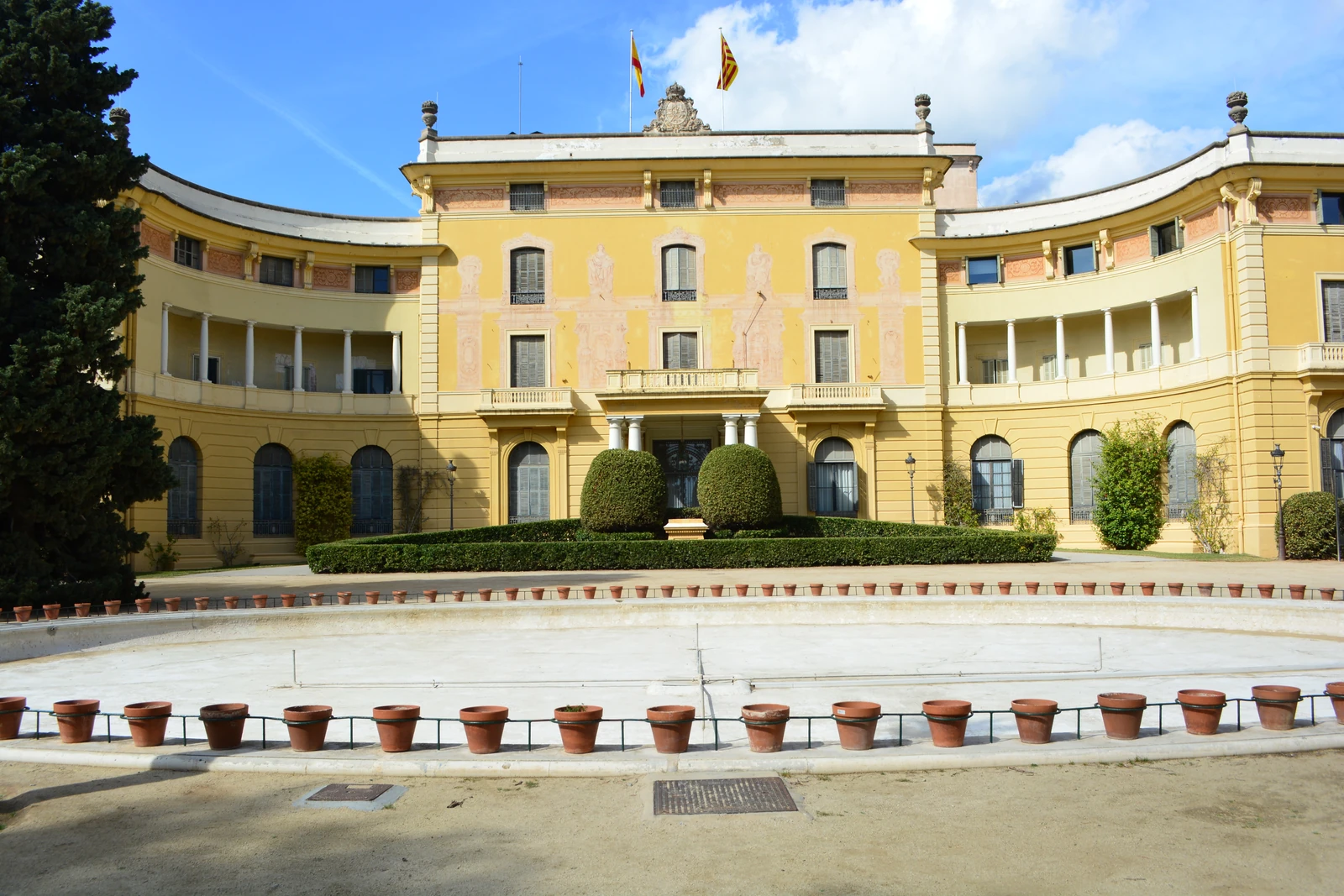
The Catalan government approved the plan on February 17, 2026, to protect and manage archaeological and paleontological heritage and strengthen the sector. It presented the plan at Barcelona’s Pedralbes Palace on June 2. In line with measure 1.3.3, the government created a webpage listing progress on each measure. The goal is to help the public and people in the field follow the government’s work on archaeology and paleontology and strengthen public accountability.
The webpage will be updated until the plan ends
According to the Catalan government, it will add and revise information as implementation progresses and new data become available. The public webpage will track progress through the end of the plan’s implementation period.