Hawaiian volcanic rocks contain carbon that may have come from Earth’s core
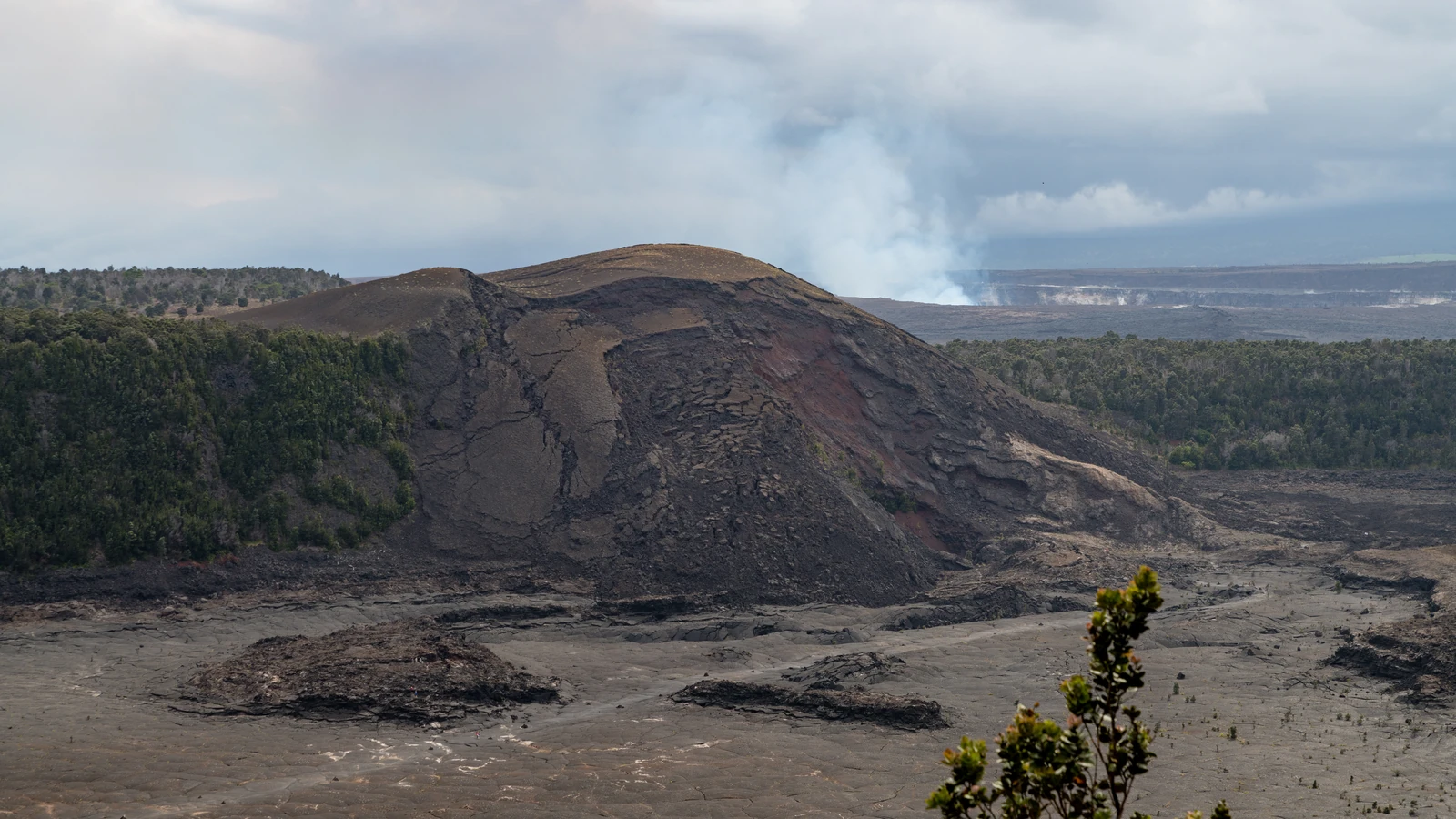
On November 18, Columbia University reported on a study that found a carbon isotope ratio in Hawaiian volcanic rocks that differs from the typical mantle signature. The team thinks some of the carbon in samples from Kīlauea volcano may have traveled from near Earth’s core through the mantle to the surface.

Comparing samples from Kīlauea and the Tantalus Rift
The researchers analyzed tiny pockets of magma that had retained their gases after being trapped inside crystals in the volcanic rocks. According to the paper’s abstract, δ¹³C, a measure of the stable carbon isotope ratio, was −1±2‰ in the Kīlauea samples and −7±2‰ in the Tantalus Rift samples. Columbia University said the Tantalus value was close to the signature of typical mantle carbon. The study was published online on November 9 in the Proceedings of the National Academy of Sciences.
A signature similar to that of carbon-rich meteorites
The team said the Kīlauea value resembles that of carbon-rich meteorites known as carbonaceous chondrites. The researchers said this suggests the meteorites may have brought carbon to Earth late in its formation, with some of that carbon entering the core. They say further measurements are needed to determine whether the core was a source of the carbon.