Berlin to present a career guidance model linking schools and employers
On November 18, Berlin’s Senate Department for Education, Youth and Family announced plans to present BildungsPartnerSchaften, a career guidance model for long-term cooperation between schools and businesses. Developed with the local business community, the model aims to give students early exposure to different kinds of work and help them make education and career choices.

A framework for lasting cooperation between schools and employers
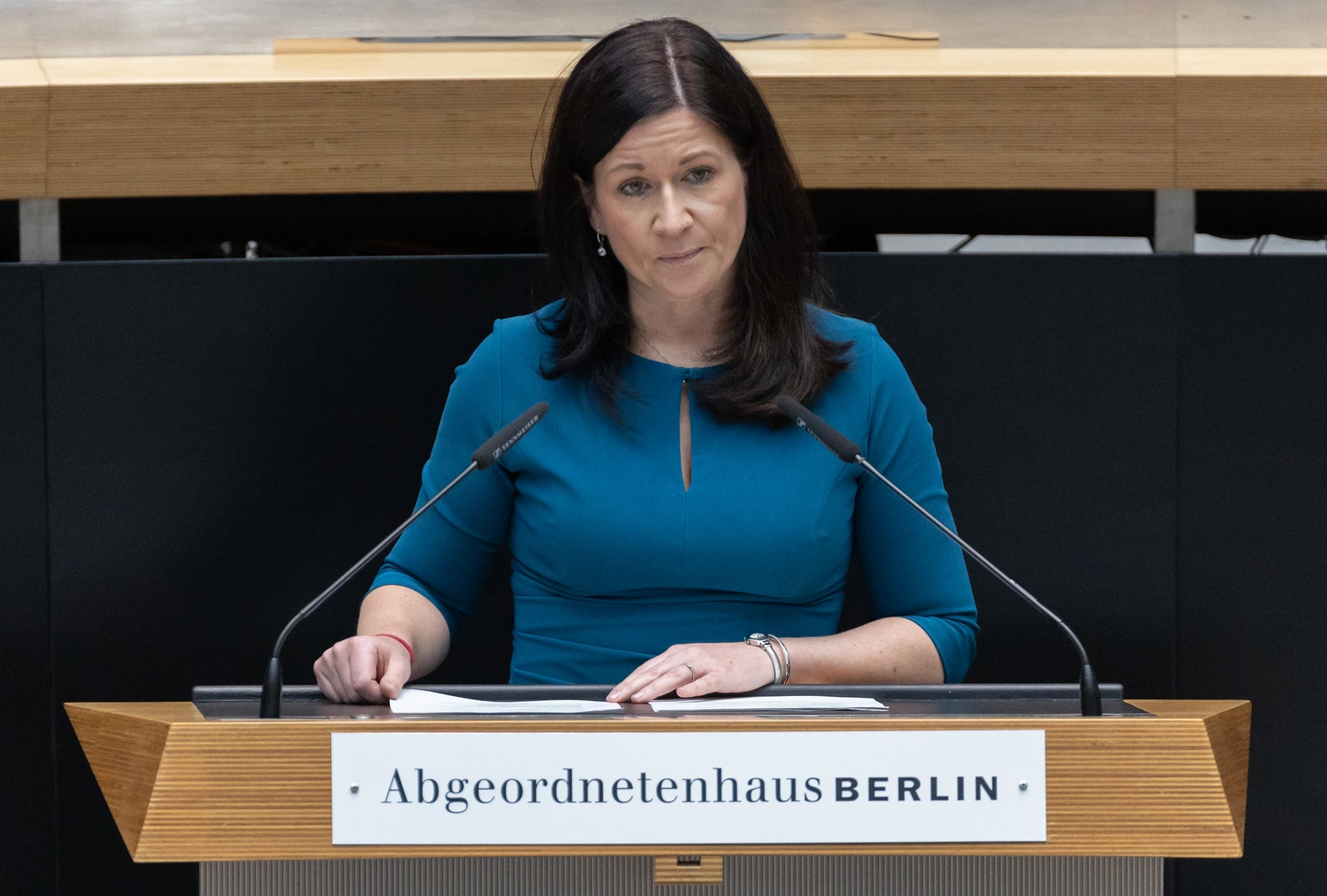
Berlin authorities said the model sets out a framework for sustained cooperation between schools and businesses and for ensuring quality in practical career guidance at schools. Education Senator Katharina Günther-Wünsch and representatives of the Berlin Chamber of Commerce and Industry and the Berlin Chamber of Skilled Crafts are scheduled to present the initiative at a press conference.
Press conference scheduled at a school on November 25
The press conference is scheduled for Wednesday, November 25, from 11 a.m. to noon local time at Carlo-Schmid-Oberschule, a secondary school in Berlin’s Spandau district. The school principal and a Berlin representative of the company SPIE will explain how the partnership works. Participating students and their supervising teacher are scheduled to share their experiences and answer questions. Berlin authorities asked members of the press to register.