Russia’s Higher School of Economics proposes more direct aid for low-income utility customers
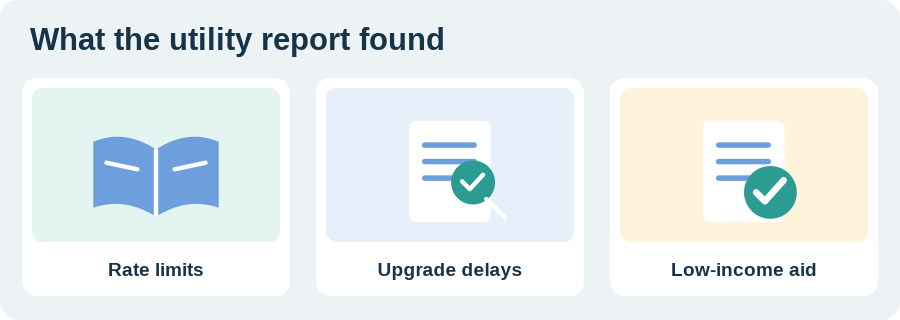
On November 18, Russia’s Higher School of Economics (HSE) highlighted a research report recommending changes to the current system, which limits increases in utility charges for all households. It proposed increasing subsidies for low-income households. The researchers concluded that across-the-board limits on rate increases had slowed infrastructure upgrades.
More aid based on household income
Ilya Dolmatov, director of the university’s Institute for the Economics and Regulation of Infrastructure Industries, presented the institute’s report at a university discussion on October 13. The report says the current system curbs increases in utility charges for all households regardless of income. Considering public spending and utilities’ finances, the researchers concluded that expanding direct subsidies to low-income households would make more sense.
Delayed upgrades and who receives subsidies
The researchers said keeping rate increases down across the board over a long period delays infrastructure upgrades, increasing equipment failures and reducing service quality. They estimated that government subsidies to utility providers and cross-subsidies from businesses’ utility rates amounted to about 45% of total utility charges billed to households. That estimate excludes subsidies paid directly to households. Two researchers at the discussion estimated that about 3% of the population receives housing and utility subsidies and said there was scope to make the subsidies easier to access.