OpenAI explains how Codex helps investigate and fix ChatGPT performance regressions
On November 19, OpenAI described the Performance Factory, an internal system that investigates performance regressions in services such as ChatGPT and helps fix them. OpenAI says the first workflow tracked more than 1,700 investigations and identified root causes in more than 600 cases in just over three months.
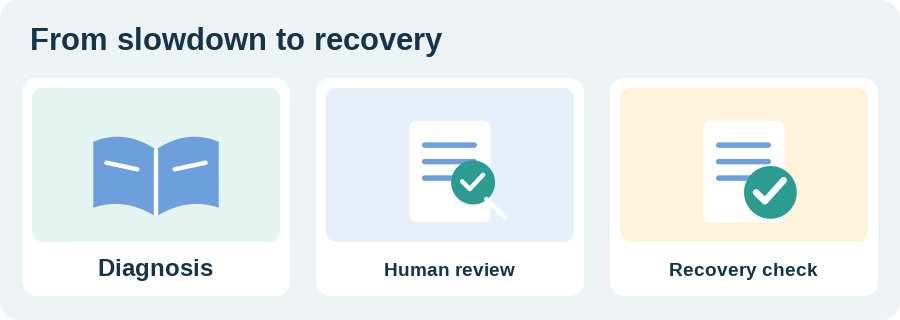
From performance alert to diagnosis and proposed fix
When an alert signals a drop in performance, the system creates an investigation task. A Codex agent investigates the cause, records its findings, and proposes a fix. A separate Codex session tests the proposed diagnosis. The task records progress and findings so another agent or engineer can take over.
Engineers review fixes and an agent verifies recovery
An engineer reviews the proposed fix and decides whether to accept it. Once the fix is deployed to production, another agent checks whether performance has returned to its previous level. The task closes once recovery is confirmed. If performance shows no improvement, the investigation resumes.