Video traces the changes to Vic Cathedral’s cloister from the 11th to the 19th century
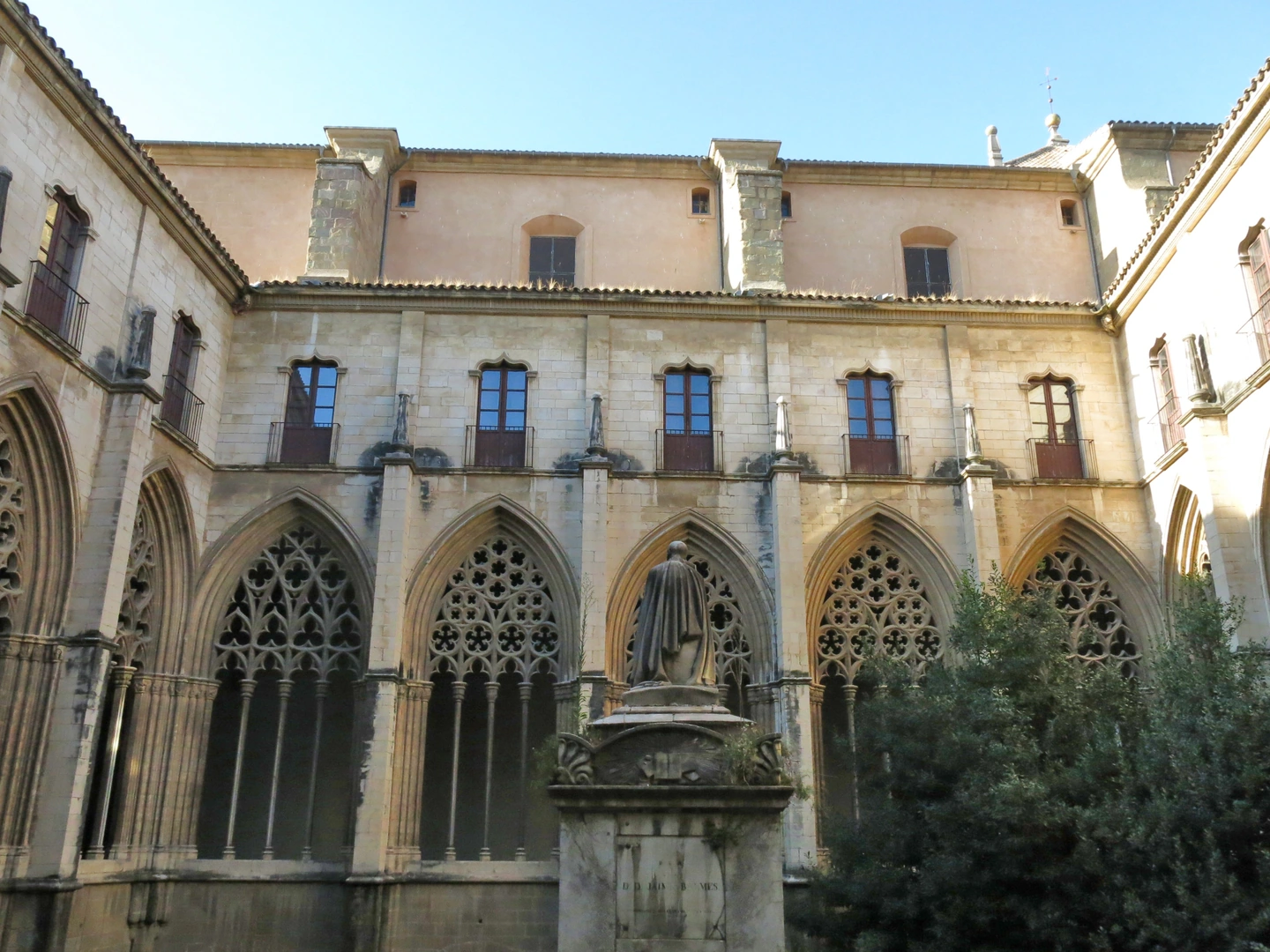
On November 19, the Catalan archaeology blog Tribuna d’Arqueologia published a video explaining how the cloister of Vic Cathedral in Spain changed from the 11th to the 19th century. The 13th talk in the Tribuna d’Arqueologia 2026 series presents the results of archaeological investigations carried out in preparation for a restoration plan.

Archaeologists investigated the original cloister ahead of restoration
The Diocese of Vic conducted archaeological investigations from 2019 to 2024 to prepare a restoration plan. The aim was to trace changes to the cloister at the heart of the episcopal complex. The original cloister was built in the Romanesque style. The investigations largely established its layout and allowed parts of two sides to remain visible.
Rebuilt in the 14th century and moved in the early 19th century
A larger, two-storey cloister in the Gothic style replaced the original one in the 14th century. The investigations established its location and architectural features. When the neoclassical cathedral was built in the early 19th century, the Gothic cloister was dismantled and put back together in a different position and at a different level. The research clarified how that relocation resulted in the surviving cloister.
Recording available on YouTube and the series blog
Archaeologist Josep M. Vila Carabasa gave the talk. It was moderated by archaeologist Albert Pratdesaba i Sala of the Catalan culture department’s central regions division. The video is available in the Tribuna d’Arqueologia 2026 playlist on the patrimonigencat YouTube channel and on the series blog.