Google Ads explains how to design and assess A/B tests

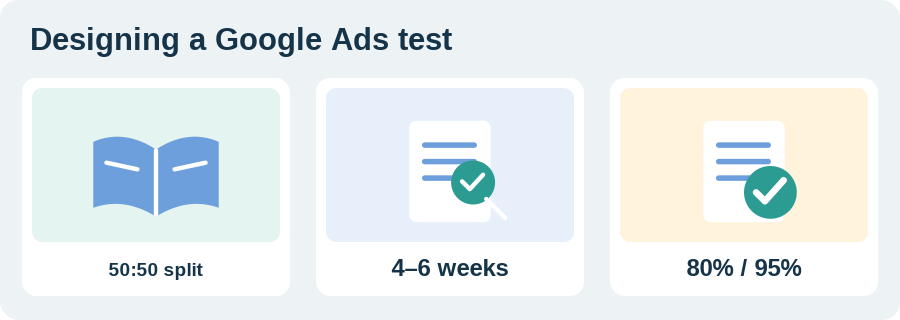
On November 19, Google published takeaways from its official show on A/B testing in Google Ads. It suggested changing one variable at a time and splitting ad traffic evenly. It recommended running tests for four to six weeks to account for delays in recording conversions.
Change one variable and split traffic evenly
On Ads Decoded, host Ginny Marvin discussed how to test AI Max features, budget allocations and automated bidding settings with product leads Sagar Shah and Al Nevarez. Google said its templates isolate one variable, split ad traffic 50:50 and reduce setup errors.
Measure meaningful conversions for four to six weeks
Google recommended measuring conversions that matter to the business and allowing four to six weeks for the test because conversions can take time to register. For example, a conversion may be recorded some time after someone sees an ad.
Choose a confidence level that fits the decision
Google suggested an 80% confidence level for small adjustments intended to gauge direction and 95% for major changes to how campaigns are structured. It presented these levels as guidelines for how much confidence to require when interpreting test results.