Brazil tackles environmental racism in climate adaptation
On November 19, Brazil’s Ministry of Cities said it had presented a policy document at COP31 in Antalya, Türkiye, on addressing racial disparities as cities adapt to climate change. The Ministry of Cities and the Ministry of Racial Equality prepared the document in collaboration with the United Nations University Institute for Environment and Human Security (UNU-EHS).
Disaster risk and gaps in urban infrastructure
According to the Ministry of Cities, the policy document “Climate Justice Through Anti-Racist Climate Adaptation” found that longstanding shortfalls in infrastructure, sanitation, and housing make Black residents disproportionately vulnerable to extreme weather. It proposes drawing on the knowledge and experience of people in outlying urban areas, favelas, and traditional communities and linking urban development and social protection policies with national climate adaptation plans.
17 projects include greening and drainage
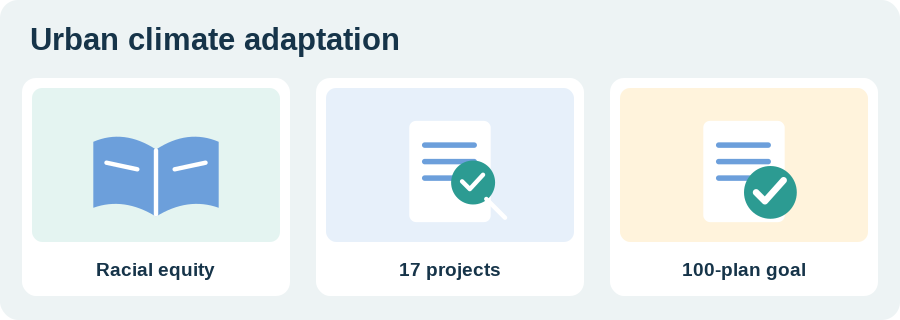
The Ministry of Cities said it is supporting 17 projects selected through an open call in outlying urban areas. The projects include planting vegetation to help reduce heat and installing sustainable drainage. The Ministry of Cities said it allocated 25.7 million Brazilian reais, and the Ministry of the Environment and Climate Change and the Climate Fund allocated 15 million Brazilian reais between them.
Working with residents to identify flood and landslide risks
Under the Community Plans for Disaster Risk Reduction and Climate Change Adaptation (PCRA), residents help identify areas prone to flooding and landslides and consider ways to reduce the risks. The Ministry of Cities said it had implemented 46 plans and that work began on 19 plans in 2026. Its goal is to implement 100 plans.