Colombia’s University of Caldas hosts a research exchange with Mexico’s Technological University of Nayarit
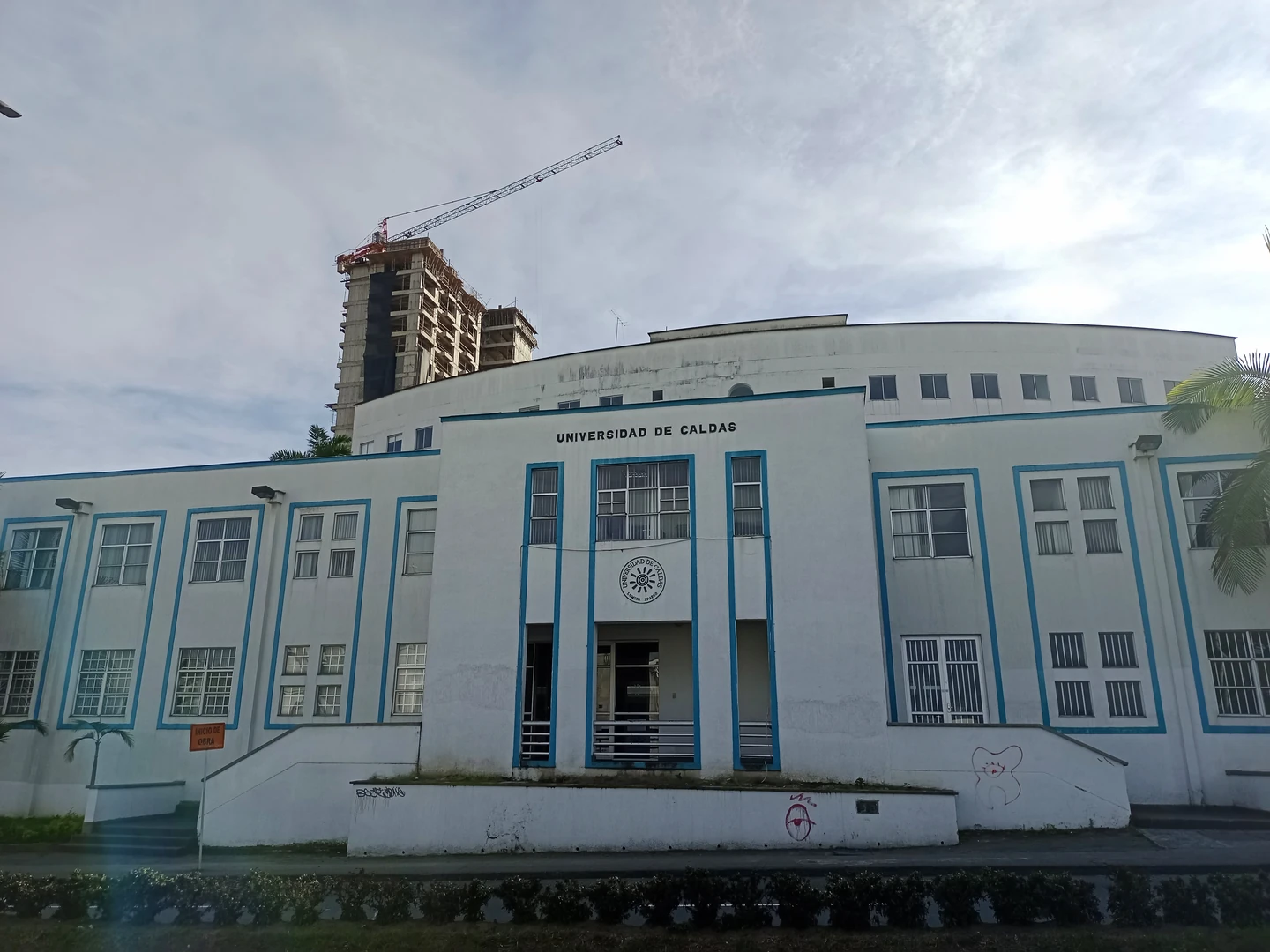
Colombia’s University of Caldas announced on November 19 that it was hosting a delegation of researchers and faculty from Mexico’s Technological University of Nayarit in Manizales. Building on ties established through a European Union-funded project, the two universities are exploring opportunities for joint research and academic exchanges.

The universities build on the EU-funded Ibero4Jobs project
The visiting researchers and faculty participated in Ibero4Jobs, a project coordinated by the University of Caldas that ended in 2026. The university’s international relations office is hosting the delegation. The two institutions are learning about each other’s research and teaching and exploring topics for future collaboration.
A research event and visits to coffee and food-processing facilities
During their stay, the visiting faculty plan to attend Inntegra 2026, an event organized by the University of Caldas’s research and graduate studies division. They also plan to visit the Orlando Sierra Hernández building, the Food Technology Unit, the Agroindustrial Bioprocessing Plant and the Caldas Coffee Growers Committee. The exchange will focus on the coffee industry and agricultural processing.
Exploring common ground in research and graduate education
Andrea Cecilia Virgen Madrigal, a faculty member at the Technological University of Nayarit, said she hoped to meet faculty during the visit, learn about their research areas and graduate programs, and identify academic programs that have something in common with those at her university.