Woods Hole Oceanographic Institution explains how donor-advised funds can support ocean research
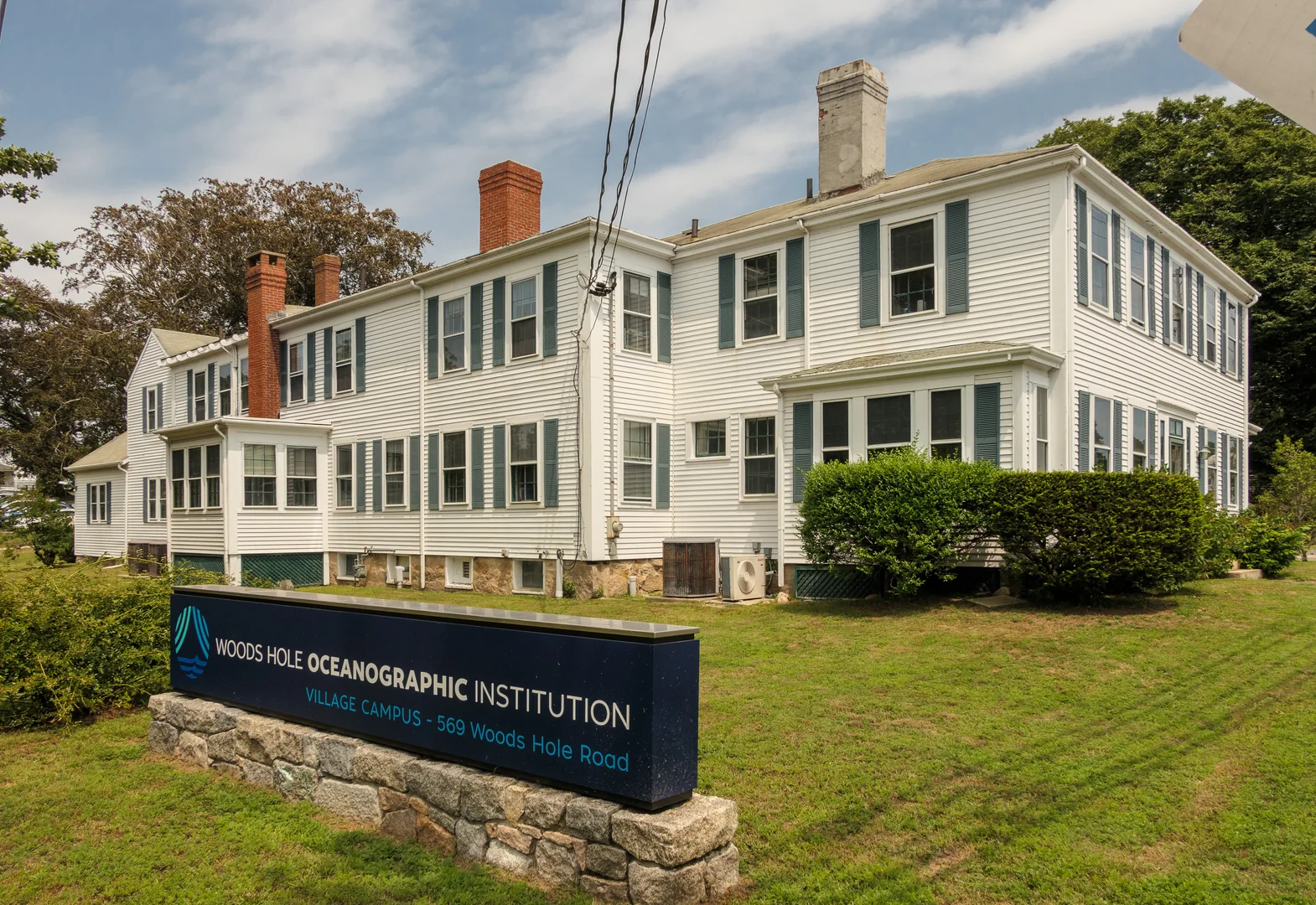
The Woods Hole Oceanographic Institution (WHOI) in Massachusetts explains how donors can support ocean science research and education through donor-advised funds (DAFs). Donors can contribute assets such as cash or shares to a fund sponsor and recommend where and when the fund makes grants.

The fund sponsor receives grant recommendations
WHOI describes a DAF as a charitable giving account. Donors can contribute assets such as cash and shares, then recommend grants to eligible charities, including organizations covered by Section 501(c)(3) of the U.S. Internal Revenue Code. WHOI says donors who meet the requirements may qualify for a U.S. tax deduction when they contribute to the fund.
Donors can recommend support for a specific WHOI program
To recommend a grant to WHOI, donors can use DAF Direct on its website or speak to the fund sponsor. To support a specific research or education program, they can ask the sponsor to provide its name to WHOI. The institution asks donors to share their name and address through the sponsor so it can thank them and send updates on its work.