WHOI unveils Deep Venture ocean explorer, rated for dives to 11,000 meters
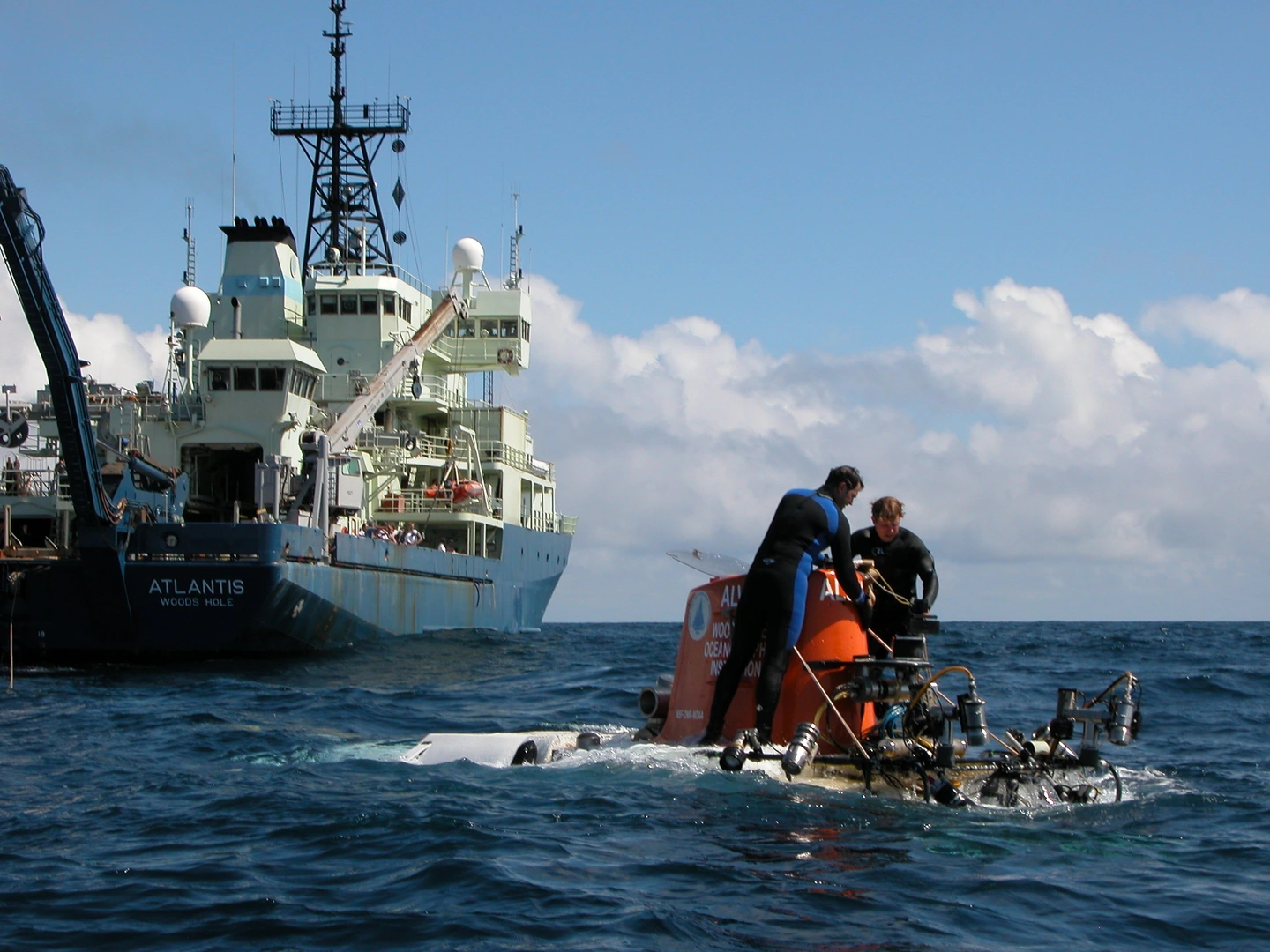
The Woods Hole Oceanographic Institution (WHOI) announced Deep Venture, an autonomous underwater vehicle developed with NASA’s Jet Propulsion Laboratory (JPL), on November 20. It is designed to work from shallow coastal waters to the deep ocean. On a June expedition near Bermuda, it photographed the seafloor at about 6,000 meters to help the crewed submersible Alvin survey the area.
Seafloor images, maps and sample collection
Deep Venture is designed to withstand the pressure at depths of up to 11,000 meters. WHOI says high-resolution images can be used to map and reconstruct the seafloor in three dimensions. It can also land on the seabed for sampling, and researchers can adapt its equipment to the needs of their study.
Images from about 6,000 meters guided Alvin’s research
WHOI says Deep Venture descended about 6,000 meters on the June expedition and took high-resolution images of the seafloor before Alvin dived. Alvin’s team used the images to narrow down the areas it wanted to examine. WHOI says advance surveys with autonomous vehicles can help teams plan dives by crewed submersibles and other vehicles.