Watch Duty uses Gemini to transcribe wildfire radio traffic and flag dispatches in under 30 seconds

Google said on November 20 that Watch Duty, a US nonprofit wildfire alert service, had adopted a tool that uses Gemini to transcribe fire service radio traffic. According to Google, in an area without another automated detection system, the tool notified Watch Duty staff of a possible new dispatch in under 30 seconds. The team verifies a fire before issuing an alert to users.
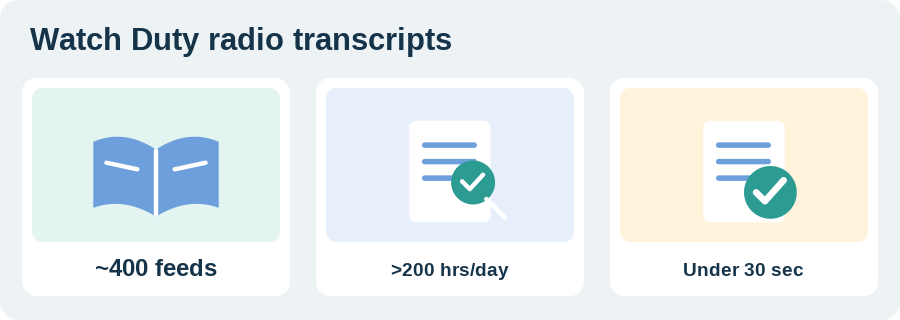
More than 200 hours transcribed daily from about 400 radio feeds
A team supported by Google.org worked with Watch Duty for six months and used more than 20,000 hours of past radio recordings to develop the tool. Google said the tool transcribes more than 200 hours of audio a day from about 400 radio feeds. The word error rate measured on poor-quality very high frequency (VHF) radio audio fell from 38% to 22.34%.
Watch Duty’s first overnight Critical Alert came during a Washington fire
Google said that when the Railroad Fire broke out in Washington state in July, the tool transcribed the first dispatch heard on fire service radio and notified Watch Duty staff in under 30 seconds. The Watch Duty team verified the fire and sent the service’s first overnight Critical Alert to users.