Brazil’s traveling African art exhibition draws 27,524 visitors across six cities
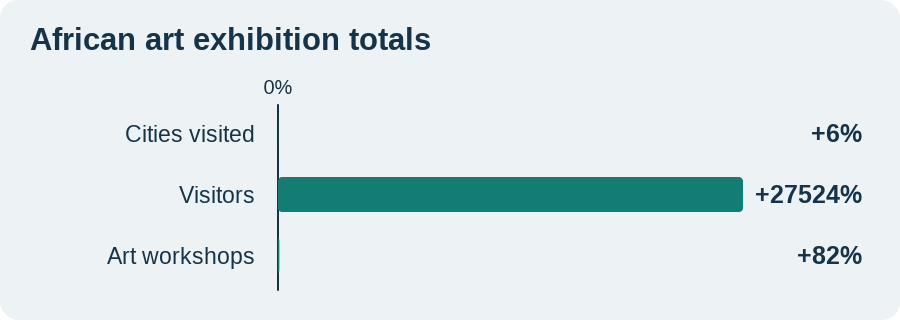
Brazil’s Ministry of Culture announced on November 20 that 27,524 people had visited a free traveling exhibition of masks and sculptures from across Africa in six Brazilian cities. The exhibition also hosted 82 hands-on art workshops for public school students, teachers and others, drawing 2,978 participants.
Free admission in six cities across four states
BEI Comunicação organized the exhibition, “Arte Africana: Máscaras e Esculturas” (African Art: Masks and Sculptures). As well as masks and sculptures, it displayed musical instruments, jewelry, and objects used in daily life and ceremonies. It opened in Goiânia in November 2024 and traveled to Araxá, Uberlândia and Ouro Preto in Minas Gerais, Vitória in Espírito Santo, and Salvador in Bahia.
Guided visits for 300 school classes, plus workshops and talks
According to the Ministry of Culture, the venues welcomed 300 school classes for guided visits. About 360 people attended a total of 12 lectures and conversations with curators. In hands-on workshops, children learned about the origins and uses of masks from across Africa and made works of their own.
The ministry authorized fundraising under a cultural tax incentive
Under Brazil’s federal Rouanet Law, the Ministry of Culture authorized the organizer to raise 2.44 million Brazilian reais. The scheme allows approved cultural projects to seek sponsorship and donations from businesses, individuals and others. The tour, exhibition installation, research and educational activities were covered.