Missoula updates its Complete Streets policy to prioritize areas with a history of underinvestment
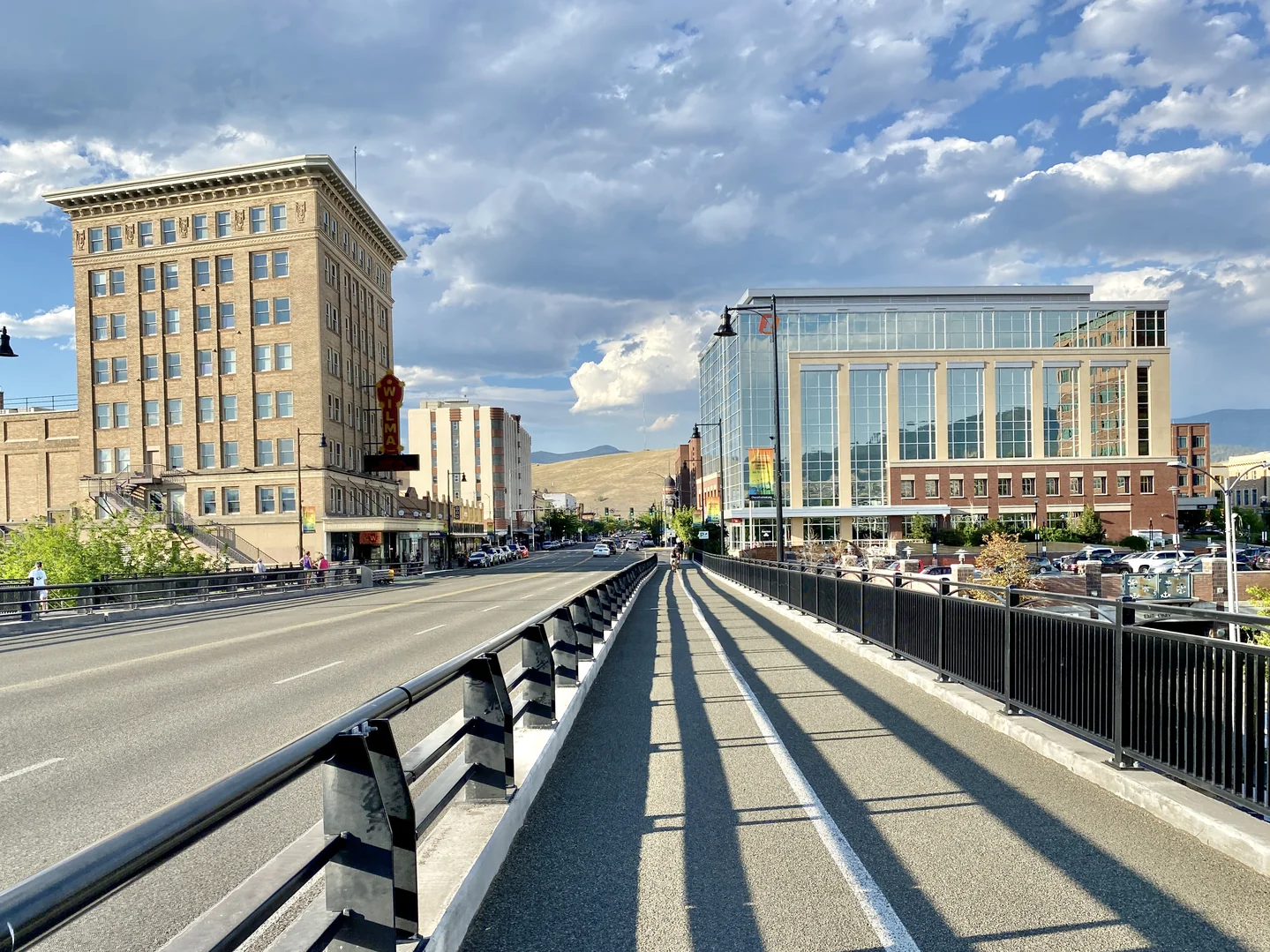
The City Council in Missoula, Montana, voted on November 16 to update its Complete Streets policy so people can travel safely on foot, by bike, with mobility aids or by public transit. The American Heart Association reported the decision in a Spanish-language release dated November 20. The city will prioritize areas with a history of underinvestment when it plans, builds, repairs and maintains streets.
Connected sidewalks and safer crossings where communities need them
The policy calls for considering people of all ages and mobility needs when planning and designing transportation projects. Depending on local conditions, improvements could include connecting sidewalks, making crossings safer, adding facilities for people who bike and improving access and connections to public transit. The aim is to make it easier to reach everyday destinations such as workplaces, schools, parks and shops.
Priority for areas that have received less investment
The American Heart Association said the policy could direct investment toward places that most need improvements to sidewalks, bike routes and other infrastructure. The association supports the policy because street design can make it easier to be physically active in daily life. It urged the city to give residents opportunities to take part in implementing the policy.