Novgorod museum marks Vladimir Dal’s 225th birthday with the origins of his Russian dictionary
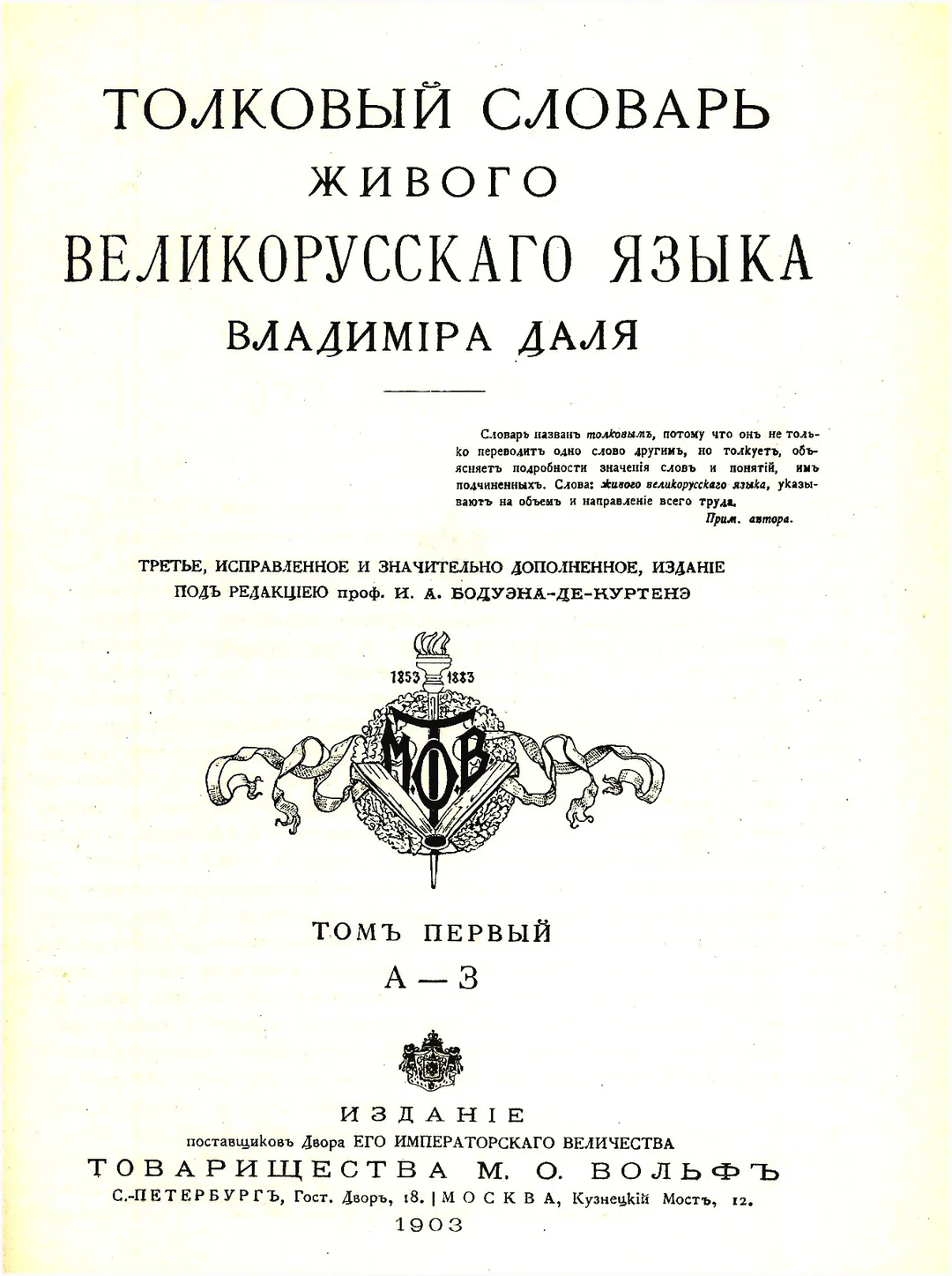
The Novgorod State Museum in Russia marked the 225th anniversary of the lexicographer Vladimir Dal’s birth on November 22 by recounting how he began compiling a Russian language dictionary. According to the museum, Dal wrote down a word he heard from a coachman in Novgorod Governorate in March 1819 while traveling to a new posting. That note led to a four-volume dictionary of about 200,000 words.

A coachman’s word recorded on the way to a new posting in 1819
According to the museum, the young naval officer left St. Petersburg for a Black Sea Fleet posting in March 1819. Near the Zimogorsky Yam coach station in Novgorod Governorate, a coachman said «замолаживает». Biographer Vladimir Porudominsky writes that the coachman explained it as a sign of cloudy skies and warming weather. In a letter to scholar Yakov Grot, Dal wrote that he heard an unfamiliar word on the journey and recorded it in Novgorod Governorate.
Four volumes with around 200,000 words and more than 30,000 expressions
The museum said Dal spent 53 years collecting words in different parts of Russia and recording proverbs, idioms and riddles to study spoken language. His four-volume Explanatory Dictionary of the Living Great Russian Language recorded about 200,000 words and over 30,000 expressions, including proverbs and idioms. Since 2010, Russia has marked November 22, Dal’s birthday, as Dictionary and Encyclopedia Day.