NASA’s Johnson Space Center marks 65 years from Gemini flight control to lunar plans
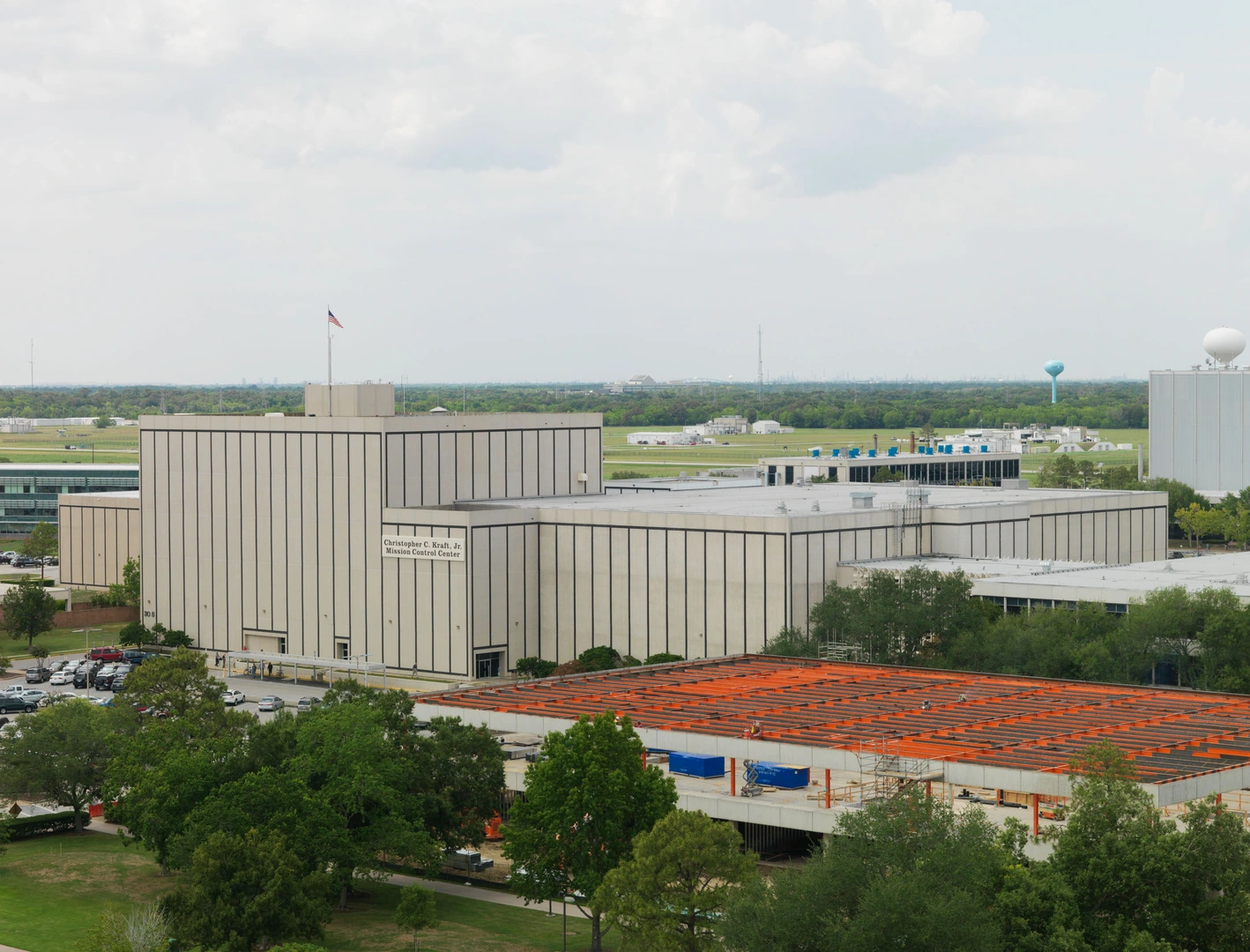
NASA marked the 65th anniversary of Houston’s Johnson Space Center on November 22 with a look at its role in human spaceflight. Its predecessor, the Manned Spacecraft Center, opened as an organization on November 1, 1961. It supported Gemini and Apollo flights and now helps operate the International Space Station and prepare NASA’s Artemis missions.

Houston becomes NASA’s primary flight control site with Gemini IV
After the center opened, much of Project Mercury stayed in Florida while Project Gemini moved to Houston. With Gemini IV in June 1965, the new Mission Control Center became NASA’s primary flight control center. Apollo 8 flew around the Moon in December 1968, and seven months later Apollo 11 astronauts landed on the lunar surface.
Space station operations and preparations for lunar exploration
The first long-duration International Space Station crew arrived on November 2, 2000. NASA says successive crews have maintained a continuous human presence there for more than 26 years. Johnson Space Center coordinates station operations with international partners and prepares for a return to the Moon and sustained work on its surface through Artemis and related programs.