OpenAI and Cisco release Shirudo to protect Linux services while patches are prepared

OpenAI and Cisco released Shirudo on 23 November. The open-source runtime can apply temporary mitigations to running Linux services while teams prepare and install permanent patches. The companies reported that Shirudo blocked attacks in controlled tests without restarting the service.
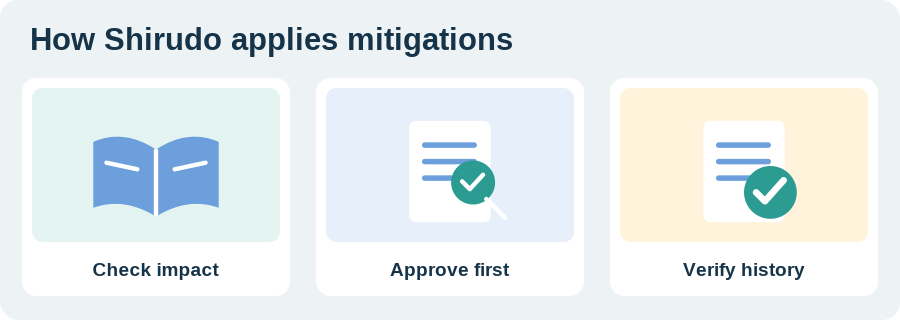
Applying temporary mitigations to running services
Testing and distributing permanent patches takes time. Shirudo uses Linux eBPF to observe system behaviour and apply temporary protections. Operations teams can check in advance whether a mitigation affects the service, including whether legitimate requests still get through. They can apply an approved mitigation while the service keeps running.
Verifying signatures and records of changes
Shirudo checks a mitigation’s cryptographic signature before loading it. The eBPF verifier checks programs against Linux safety rules, and kernel security controls restrict unauthorised changes. Shirudo uses a Trusted Platform Module (TPM) so operators can verify that a mitigation was loaded or removed.
The core uses the BSD 2-Clause licence
Shirudo’s core is available under the BSD 2-Clause licence, and its BPF programs are dual-licensed under BSD and GPL. The companies aim to provide temporary mitigations at the time vulnerabilities are disclosed so operators can assess and apply them while preparing a permanent fix.