Bank of Russia sets one-week repo auction cap at 6.2 trillion rubles
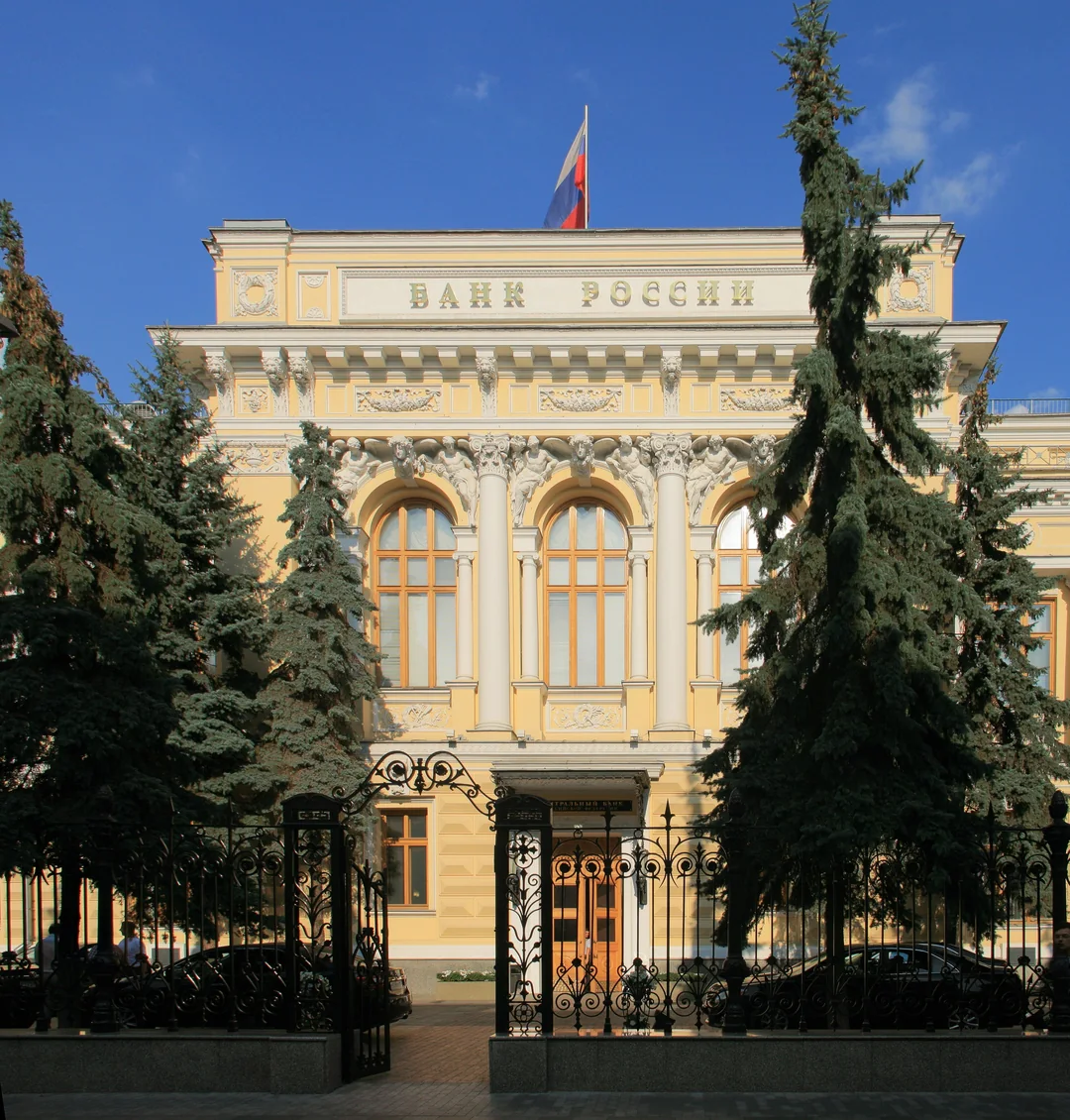
On November 24, the Bank of Russia announced a limit of 6.2 trillion rubles for its main one-week repurchase agreement (repo) auction that day. It published the figure alongside its banking-sector liquidity forecast for November 25 through December 1. The figure is the limit set ahead of the auction.
Liquidity forecast covers November 25 through December 1
The central bank set a 6.2 trillion ruble limit for its main November 24 auction of one-week repos to supply funds to the banking sector. Its forecast covered the following day, November 25, through December 1. The forecast showed a change of +242 billion rubles in financial institutions’ correspondent account balances at the central bank. The change in cash in circulation was +56 billion rubles. In the central bank’s table, a positive figure for that item indicates cash being withdrawn from circulation. The line that includes changes in government-sector account balances at the central bank, among other operations, showed −22 billion rubles. The table gives the average values of indicators calculated on a cumulative basis for the period. The signs indicate the effects on liquidity.
Net liquidity management and foreign exchange figure is negative
The forecast showed a net balance of −6.504 trillion rubles for the central bank’s liquidity management and foreign exchange market operations. A negative figure in the table indicates that the central bank absorbs funds. The item includes earlier transactions due to settle during the forecast period, as well as forecasts for required reserve adjustments, standing facility operations and transactions in the domestic foreign exchange market.