Brazil’s health minister visits Liverpool cancer centre to discuss diagnosis and waiting lists
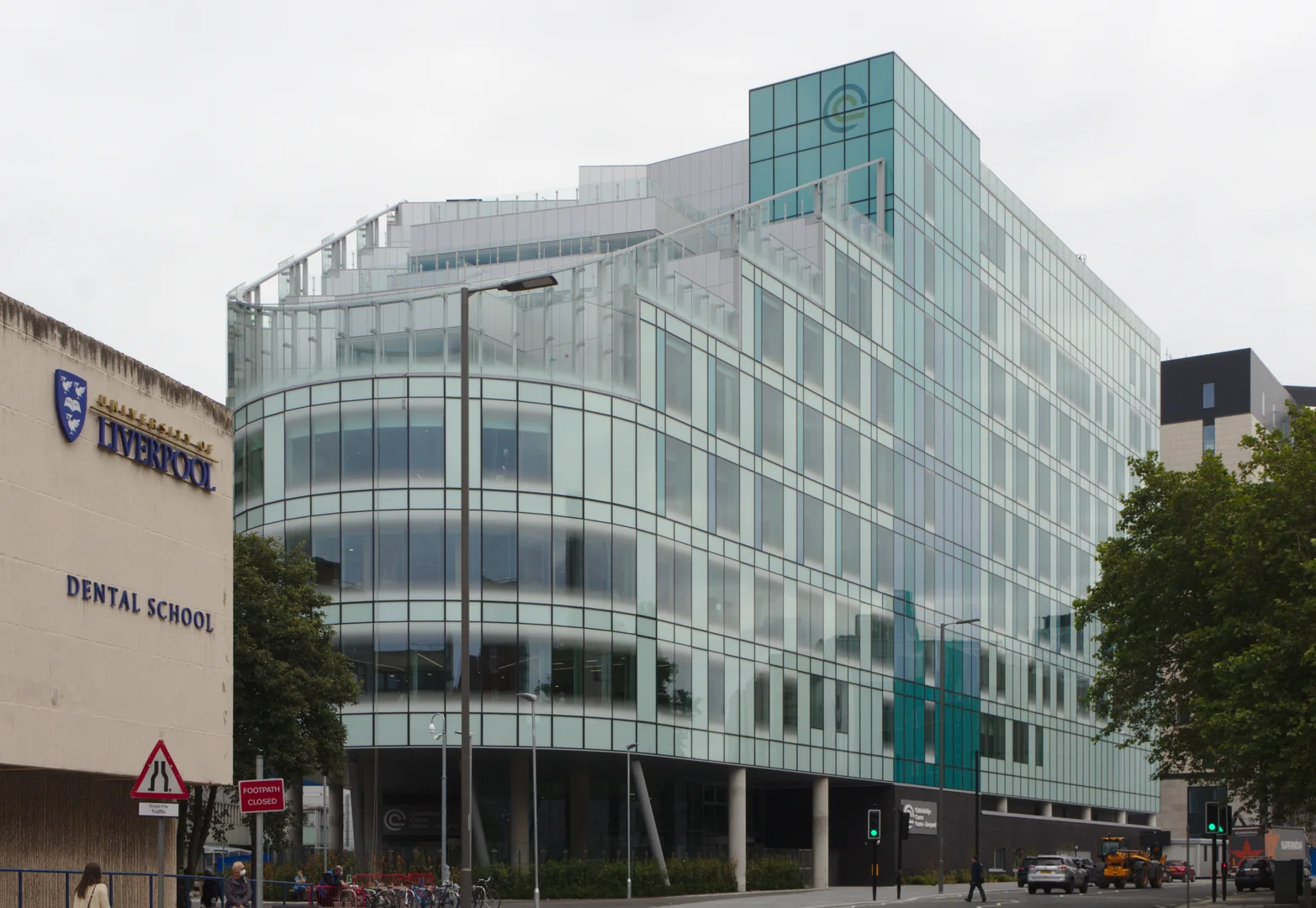
Brazil’s Ministry of Health said on 24 November that Health Minister Alexandre Padilha had visited the Clatterbridge Cancer Centre in Liverpool, England, that day to discuss cancer care, waiting-list management and clinical research. Padilha expressed interest in working with the centre to strengthen cancer research in Brazil.
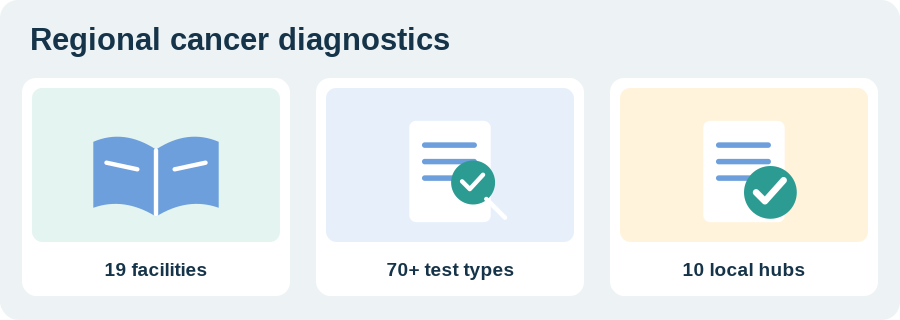
A diagnostic network of 19 facilities and 10 community hubs
According to Brazil’s Ministry of Health, the centre provides non-surgical cancer treatment for a region of about 2.7 million people and takes on 14,000 new patients annually. About 2,000 people took part in clinical trials over the previous year. The regional diagnostics programme links 19 facilities and covers more than 70 types of test. It tracks waiting lists, allows hospitals to share appointment capacity and has set up 10 community diagnostic hubs to improve access, including in areas with high levels of deprivation.
Artificial intelligence flags findings for priority lung cancer assessment
The hosts presented a programme that uses artificial intelligence (AI) in all departments carrying out chest X-rays in the region. It flags findings that need priority assessment for possible lung cancer in about one minute. Brazil’s ministry linked this work to Agora Tem Especialistas, an initiative that aims to cut waiting times in Brazil’s Unified Health System (SUS) by increasing the availability of specialist appointments, tests, surgery and treatment.
Interest in working together on cancer research
Padilha cited Brazil’s legal framework for clinical research, approved in 2024, and ongoing work with the University of Oxford to set up a national cancer research network. He also expressed interest in working with the centre. The visit covered clinical trials of personalised therapeutic cancer vaccines, integration of clinical and genomic data, precision medicine and ways to reduce inequalities in access to diagnosis and treatment. On 23 November, the minister also visited a UK medical institution that treats rare diseases.