Google showcases five projects made with Gemini 4 Neon, including 3D creations
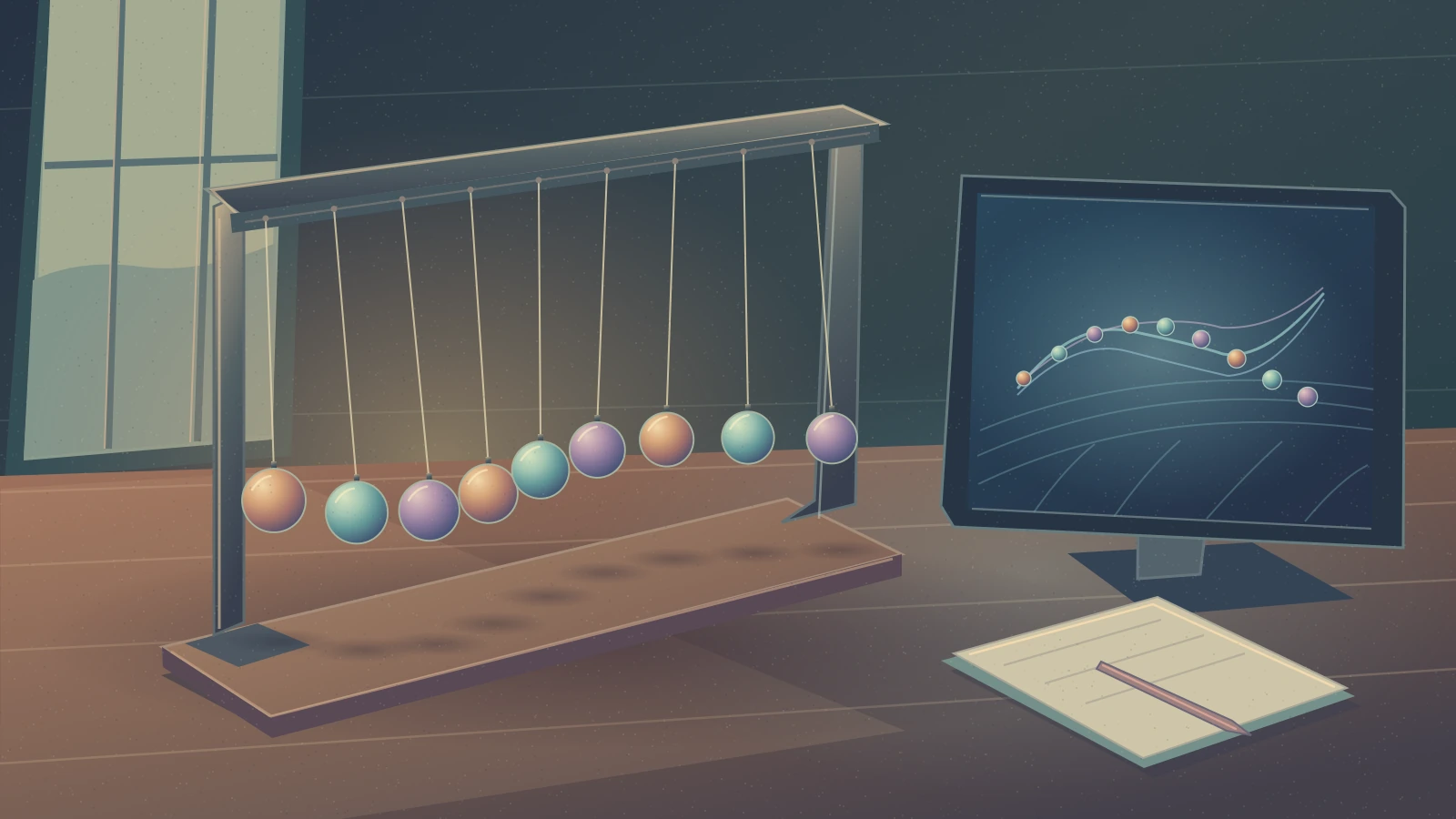
On November 24, the U.S. company Google showcased five projects created with its Gemini 4 Neon artificial intelligence (AI) model. The examples show how developers depicted images and motion, with a glowing 3D model of Earth, a butterfly rendering, an interactive black hole visualization and a pendulum simulation among them.
A glowing Earth, butterflies and a hexagonal flame
Google says one developer used Gemini 4 Neon in the Google Antigravity development environment to build a glowing 3D model of Earth. Another rendered butterflies in Three.js, which is used to create 3D graphics in a browser. Google also highlighted a program that renders an interactive hexagonal flame on the web and was built in under five minutes.
Different views of a black hole and a simulation of a pendulum wave
In the black hole example, viewers can switch viewpoints and adjust how much distortion appears on screen. In the 3D pendulum simulation, differences in the spheres’ oscillation periods create patterns that look like travelling waves.
Available through a paid API tier and select subscriptions
Google announced on November 18 that it had begun rolling out Gemini 4 Neon. It says developers can use the paid tier of the Gemini API in Google AI Studio and Android Studio. Individual Google AI Pro and Ultra subscribers can try the model in Google Antigravity, Google AI Studio and the Gemini app. For enterprise customers, Google offers it through the Gemini for business API or model picker and in Google Antigravity.