OpenAI profiles two amateur astronomers searching public telescope data for exoplanet candidates
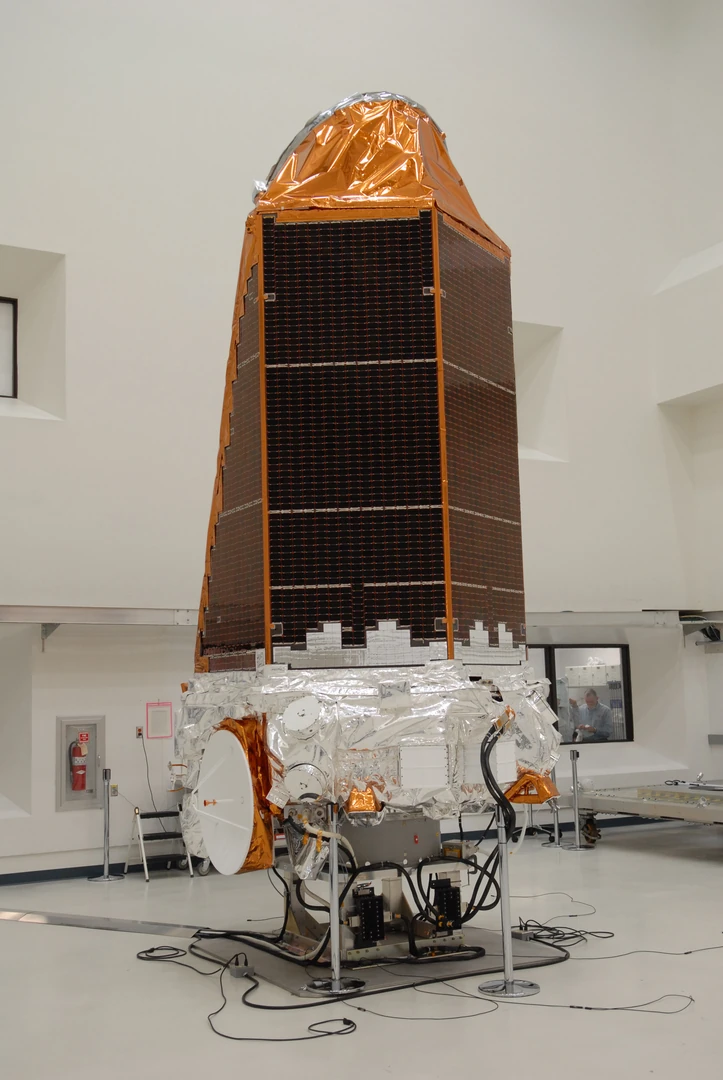
On November 24, OpenAI described how two amateur astronomers searched public telescope observations for signs of exoplanets. An astronomer independently found two of the same signals identified in the Codex-assisted search. The first analysis in a separate search using Astra flagged 49 candidates. Further analysis or observations are needed to determine whether planets caused the signals.
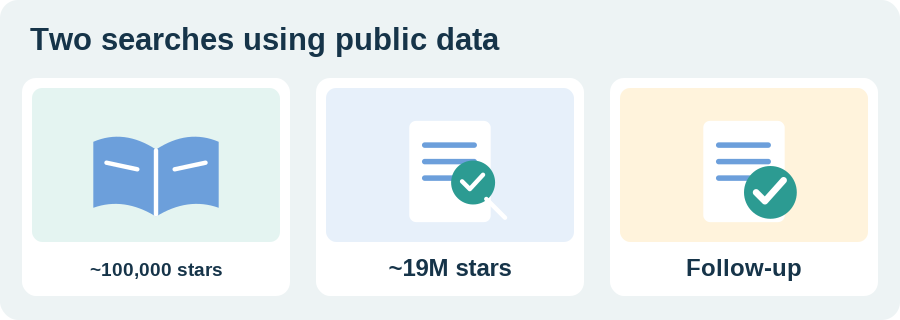
An independent search found two signals in Kepler data from a study of about 100,000 stars
OpenAI engineer Kevin Bond used Codex to examine data from about 100,000 stars observed by the Kepler Space Telescope. The search for recurring dips in brightness flagged more than 200 signals, including 10 from confirmed planets. An astronomer at the SETI Institute independently found the same signals at the stars KIC 5689121 and KIC 6691030. Further investigation is needed to determine whether those two signals come from exoplanets.
First analysis flags 49 candidates from about 19 million stars in TESS and other data
Ethan Byrd, founder of the email infrastructure startup Primitive, used Astra in a search independent of Bond’s. He examined data from about 19 million stars in observations from NASA’s TESS space telescope and other public archives. The first pass flagged 49 candidates. Byrd submitted one of the strongest candidates to TESS researchers for further analysis. Two other candidates are awaiting submission.